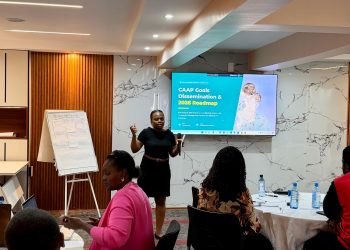


Members of Parliament are pushing for the formation of a Parliamentary Caucus on Maternal, Newborn and Child Health as Kenya prepares for a major shift in immunization financing following expected exit of Gavi support 2029.
Health advocates warn that as donor support is expected to end in the coming years, the country must increase domestic funding to protect mothers and children from preventable diseases.
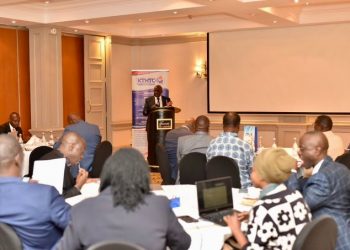
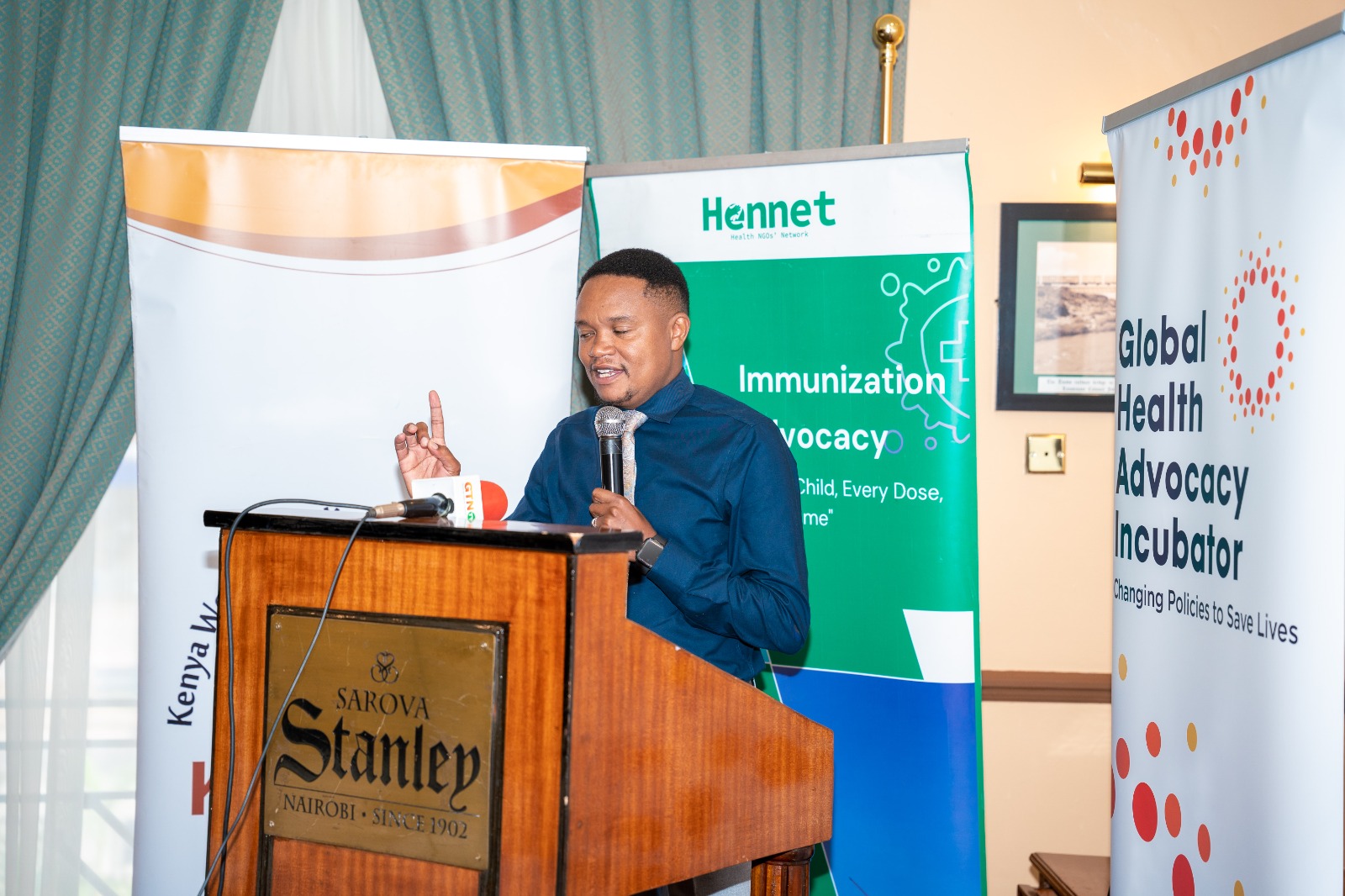
Speaking at a high-level meeting convened by the Health NGOs Network (HENNET), the lawmakers proposed the establishment of a parliamentary caucus that will champion maternal and child health issues in the National Assembly. The caucus is expected to be chaired by Molo Member of Parliament Kuria Kimani, who also chairs the National Assembly Finance Committee.
According to Hon. Kimani it is unwise for Kenya to continue relying heavily on foreign aid to fund its immunization program, calling on his fellow parliamentarians to form a caucus to champion policy and budget around immunization.
“The parliament is currently discussing the Budget Policy Statement that will set the spending priorities for the next three years; we must make our voice heard, in the health sittings committee and in the budget committee discussions.”
Kenya currently receives significant support from Gavi, the Vaccine Alliance, but this support is expected to phase out by 2029, meaning the government will have to fully finance vaccine programs.
Hon. Kimani said that lawmakers must ensure that Immunization financing is not overlooked.
“I look forward to having this caucus, because just as we have a caucus on environment and young members of parliament, we need to have a caucus for parliamentarians on matters immunization so that the voices of children are heard where it matters.”
Economist Dr Francis Omondi warned that apart from 2021-2022 which was the COVID-19 pandemic, immunization financing by the government has been in a sharp decline.
“In 2019 Kenya Governments immunization budget was about 3.3 billion, Then this was reduced in the 2020-2021 fiscal year, this is despite the fact that the population grows yearly and so does the cost of immunization, this means the budget is not supposed to reduce but increase.”
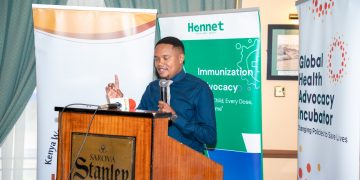
Dr. Margaret Lubaale, HENNET Executive Director, says the Gavi transition presents both a challenge and an opportunity for the country to demonstrate leadership and national ownership of its health programs.
“This is an opportunity for Kenya to demonstrate national ownership that is in line with the commitments made under the Istanbul Call to Action, which calls countries to strengthen political leadership improve accountability and secure sustainable financing.”
Dr Lubaale also lauded the lawmakers’ efforts in championing immunization.
“I applaud the leadership that is present in this room that continues to champion for the health and well-being of every child in Kenya. Immunization remains one of the most cost-effective public health interventions available today.”
The Kenya Parliamentary, Maternal, Newborn and Child Health (MNCH) caucus is expected to play a key role in pushing for increased budget allocations, strengthening oversight and ensuring accountability in the use of health resources as the country prepares to fully finance its immunization programmes.