



Kenya has made notable progress in reducing tuberculosis infections and deaths over the past decade, but new research warns that stigma, gender inequalities, delayed diagnosis and declining funding continue to hinder efforts to eliminate the disease.
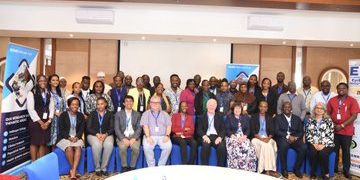
Findings from several studies were presented during the Kenya National Stakeholders’ Tuberculosis Dissemination Forum in Nairobi ahead of World TB Day.
The forum was organized by the African Institute for Development Policy and the Respiratory Society of Kenya in collaboration with the Ministry of Health.
Researchers presented findings from several national and multi-country studies, including work by the LIGHT Consortium on tuberculosis and gender, the Community Rights and Gender Assessment (CRGA), a TB Knowledge, Attitudes and Practices study, and the TB Stigma Index survey.
Despite strong policies and free TB treatment services, researchers said social and structural barriers continue to prevent many Kenyans from accessing timely diagnosis and care.
The studies highlighted the need for gender-responsive TB policies supported by clear implementation plans and monitoring systems to improve access to prevention, diagnosis and treatment.
The studies revealed several systemic barriers, including weak integration of gender considerations in TB policies, limited use of research evidence in decision-making and fragile health system structures.
Broader social and economic factors also contribute to TB vulnerability, including poverty, unemployment, food insecurity and malnutrition. Cultural beliefs and stigma surrounding the disease further discourage many people from seeking care.
Governance challenges within the health system particularly gaps between national and devolved health functions were also identified as obstacles to effective TB programming.
The LIGHT Consortium studies also generated evidence to inform policy and practice, including the importance of disaggregating TB data by age and sex to identify population groups that are being left behind.
Researchers said adolescents and young people remain a critical population group that must be empowered to take ownership of their health and advocate for youth-responsive care.
They also recommended that TB services at health facilities be differentiated and patient-centered, with age- and gender-responsive approaches that could significantly improve TB case detection.
The research further showed that stigma can be reduced and appropriate health-seeking behavior improved through targeted approaches, including interventions that engage men more effectively. Ending TB, researchers said, will require engaging all health service providers while addressing broader social determinants through multisectoral collaboration.
Changing face of TB
Immaculate Kathure, head of Kenya’s national TB program, said the country continues to reduce TB incidence and deaths, but the overall burden remains high.
“Research must be at the centre of our response so that the decisions we make are grounded in evidence from our own context,” she said.
Kathure noted that the epidemiology of TB in Kenya has changed significantly in recent years.
Historically, TB in the country was closely linked to HIV infection, but today about three-quarters of TB patients are HIV-negative.
“That means we can no longer continue having the same conversations we had before,” she said. “If HIV is no longer the main driver, we must ask what other factors are suppressing immunity and leading people to develop TB.”
Treatment has also improved significantly. In the past, drug-sensitive TB required about eight months of treatment, while drug-resistant TB therapy could last up to 20 months and involved painful injectable drugs such as streptomycin.
Today, treatment regimens are shorter, safer and better suited for children.
“We are even looking forward to the day when a single injection could treat TB,” Kathure said.
Youth face major gaps in care
A separate study examined how adolescents and young adults navigate the TB care system.
Rhoda Pola of the Respiratory Society of Kenya analyzed national TB surveillance data from the TIBU system covering all 47 counties between 2017 and 2022.
The study revealed significant gaps in the TB care cascade among young people aged 15 to 24.
Although this age group accounts for about 15percent of global TB cases, many experience delays in diagnosis and treatment.
Researchers found that adolescents and young adults often seek treatment first from pharmacies rather than formal health facilities. Their symptoms are frequently misdiagnosed as pneumonia, flu, asthma or tonsillitis.
“These misdiagnoses can delay TB detection by two to three months,” Pola said.
The analysis also showed that 73percent of patients visiting health facilities were not screened for TB, while 42percent of people suspected of having the disease were never tested.
Gender barriers shape care-seeking
Another study highlighted clear gender differences in care-seeking behavior.
Men were more likely to delay visiting health facilities because of work commitments and social expectations tied to masculinity. Many continued working despite persistent symptoms until illness significantly affected their ability to earn an income.
Women, meanwhile, faced different barriers, including caregiving responsibilities, financial dependence and fear of stigma within families and communities.
Despite these challenges, treatment outcomes were slightly better among females than males.
Adolescents aged 15 to 19 recorded the highest treatment success rates at about 92%, compared with roughly 89% among young adults aged 20 to 24.
Experts say the findings underscore the need for gender-responsive TB programs that recognize the different social realities affecting men and women.
Stigma remains widespread
Stigma continues to be one of the most persistent barriers to TB care.
A national TB Stigma Index survey conducted across 180 health facilities in 11 counties found widespread discrimination.
About 68percent of respondents reported experiencing stigma within their communities, while more than half said they faced stigma within their families. Another 51percent reported stigma in healthcare settings.
Fears of infection, misinformation linking TB with HIV and community gossip were identified as major drivers of stigma.
Some patients said they hid their diagnosis from relatives and neighbors, while others delayed seeking treatment because they feared negative reactions from their communities.
Eveline Kibuchi of Stop TB Partnership Kenya said myths linking TB to poverty and HIV continue to discourage many people from seeking testing and treatment.
“Many people still believe TB is a disease of poor people or that anyone with TB must also have HIV,” she said.
In reality, TB spreads through airborne droplets when an infected person coughs or sneezes and can affect anyone.
“About 23 percent of people with TB are also living with HIV,” Kibuchi said. “That means nearly three-quarters do not have HIV.”
Funding pressures threaten progress
Beyond stigma and gender barriers, researchers warned that funding constraints could weaken TB control efforts.
Global donors including the Global Fund to Fight AIDS, Tuberculosis and Malaria have reduced some funding allocations in recent years, forcing national programs to deliver more services with fewer resources.
Kibuchi said that the donor funding conditions threatens Community health interventions.
“These community interventions are extremely important because TB is managed within communities,” Kibuchi said.
Community health workers play a critical role in identifying people with symptoms, supporting patients during treatment and educating families about the disease.
Without sustained funding, experts warn that early detection and treatment adherence could decline.
Kenya remains a high-burden country
According to the World Health Organization Global TB Report, Kenya remains among the world’s high-burden TB countries.
The country records roughly 117,000 TB cases each year and about 24,000 deaths, including around 8,000 among people living with HIV.
Young people aged 15 to 24 account for about 15% of infections.
Experts say factors such as malnutrition, delayed treatment, substance abuse and co-infections, including HIV, continue to contribute to TB-related deaths.
“TB control is not just about diagnostics and treatment,” Kibuchi said. “It requires addressing the social, economic and gender barriers that shape how people seek care.”
Dr Kathure said the new evidence generated by the studies will help guide policies that place patients’ lived realities at the center of TB prevention and care.