


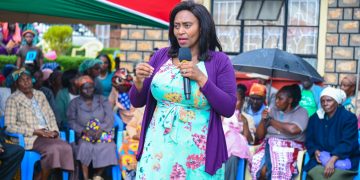


The Reproductive and Maternal Health Services Head, Dr. Joel Gondi said 15 counties contributed 90 per cent of maternal deaths in Kenya saying the report should be embraced by all to assist in avoiding repeat of maternal deaths at National, County and Sub-County level facilities.
A WHO Kenya office official, Mr. Conall Deasmhunaign said as Kenya embraces UHC, there was need to improve the quality of care for maternal and newborns. Health Ministry’s Quality and Standards Head, Dr. Charles Kandie noted that the government was committed 100 per cent to roll out UHC in the next five years. “However, we should strive to have safe deliveries in a bid to stop unnecessary deaths through good and effective care…
‘Achieving quality is a deliberate process (where) minimum patient standards are met. Continuous quality improvement should be emphasised by intensifying inspections in our health facilities,” Dr. Kandie noted. The official said a joint health inspection team inspects all private, public health facilities every three months to ensure the required standards are met.
“There is need to be proactive and reactive in the provision of quality of care in all our private and public health facilities. We should therefore, work out modalities on how we can minimise maternal deaths,” Dr. Kandie emphasised. The National Council for Population and Development Director General, Dr Josephine Kibaaru urged the Health Ministry to collaborate with other inter- agencies and county governments to urgently address the issue.
“Where are our gynecologists when our mothers are dying? The CECs should also ensure consultants are taken to task by ensuring they are at the required site to avoid these (unnecessary deaths),” Dr Kibaaru asked. Speaking on behalf of other CECs present at the function, Dr Rosemary Obala (Kisumu County) called for concerted efforts by all to embrace quality of care to avert further deaths.
The 2014 Kenya Demographic and Health Survey (KDHS), reports improved Maternal, Newborn and Child health indicators compared to the 2008- 9 report, with maternal mortality ratio reduced from 448 to 362/100,000 live births; neonatal mortality rate reduced from 31 to 22/1,000 live Births. Infant mortality rate reduced from 52 to 39/1,000s and under five mortality reduced from 74 to 52/1,000 respectively. Mother to child transmission (MTCT) of HIV reduced from 27 per cent to 8.3 per cent in 2015.

“However, Kenya did not meet the 2015 target for MDGs 4,5 and the global target on Elimination of mother-to- child HIV transmission (eMTCT),”. Experts say that globally, approximately 830 women die from preventable conditions related to pregnancy and childbirth every day. About 99 per cent of these deaths occur in developing countries. Severe bleeding, puerperal infections, preeclampsia and eclampsia, complications from delivery and unsafe abortion account for nearly 75 per cent of all maternal deaths.
Skilled health care before, during and after childbirth could save these lives. Dr. Gondi said the postnatal period covers the first six weeks after the delivery of the baby. “This is a critical phase in the lives of a woman and her newborn as most deaths occur during this time. Utilisation of postnatal care provides health providers with an opportunity to identify pots-delivery problems early and to offer treatment promptly,” said Dr, Gondi.
The medic added that this is the most neglected period in the provision of quality health care. In Kenya, only 52 per cent of women receive postnatal care compared to over 90 per cent who receive antenatal care or HIV testing. Effective utilization of postnatal care services, Dr Gondi notes, is a key initiative towards attainment of the United Nations Sustainable Development Goals goal 3 that aims to reduce maternal mortality ratio to less than 70 per 100,000s live births and to reduce neonatal mortality to 12 per 1,000 live births as well as the global target on elimination of mother to child HIV transmission (less than 5 per cent).
“However, utilization of postnatal care services in Kenya has been low resulting in missed opportunities for early diagnosis and timely management of common maternal and infant conditions,” Dr Gondi observed. The NHIF (Programme and Skills) manager Fardosa Abdi said all Kenyan- born women were eligible to enroll for the Linda Mama initiative saying all existing gaps in the scheme were being addressed.