




By Ken Odhiambo
Kenya is among countries in Africa and Asia which is eligible to apply for the $85 million funding set aside by Gavi, the Vaccine Alliance for the introduction of a new typhoid conjugate vaccine.
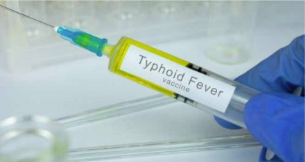
The initiative which aims at protecting children against typhoid fever will be introduced into eligible countries routine immunisation schedules from 2019. The Vaccine Alliance Chief Executive Officer, Dr Seth Berkley says: “The typhoid conjugate vaccine will not only save lives, but also bolster the fight against anti-microbial drug-resistance.”
He said expanding vaccine coverage will play an important role in reducing illnesses and deaths from typhoid. Gavi is looking forward to working with countries to support the introduction of this safe and effective vaccine. According to a press release, the World Health Organisation (WHO) announced the prequalification of the first typhoid conjugate vaccine (TCV), Typbar-TCV, in December 2017.
Earlier that month, the Gavi board approved US$ 85 million for 2019- 2020 to support its introduction in developing countries. The first introductions are expected to take place in 2019.
“In October 2017, WHO’s Strategic Advisory Group of Experts on Immunisation (SAGE) re-emphasised the importance of the use of typhoid vaccines in tackling the increase in anti-microbial resistance in low- and middle- income countries, as well as for the control of endemic typhoid,” the press release dated April 3 2018 says.
The WHO released on March 30 a revised typhoid position paper to include the new conjugate vaccine.The paper advises that the new vaccine can be administered to children as young as six months old and provides longer-lasting immunity than previously available vaccines.
With approximately 30 per cent of the typhoid burden occurring in children under five years of age, this vaccine could greatly impact disease burden. “The fact that it is suitable for young children also means it can be easily incorporated into routine vaccination schedules,” WHO says.
The Typhoid Vaccine Acceleration Consortium (TyVAC), which is a partnership between University of Maryland School of Medicine, University of Oxford and PATH, is currently conducting clinical trials of the prequalified vaccine in Malawi, Nepal, and Bangladesh with a focus to further evaluate vaccine efficacy and impact of TCV in reducing typhoid burden in endemic countries.
The Kenya Medical Research Institute’s (KEMRI) Centre for Microbiology Research Director, Dr Sam Kariuki has welcomed the new move by WHO to introduce the new typhoid vaccine in typhoid endemic countries. “Every year, nearly 12 million cases of typhoid occur (in these countries), a majority of which are in children under the age of 15.
The new typhoid vaccine following the WHO recommendation could begins to change this”, Dr. Kariuki said. “Typhoid is preventable, but still I see sick children missing valuable school days, parents missing work to care for a sick child, and families going into debt seeking treatment,” lamented Dr. Kariuki.
The disease has been virtually eliminated in industrialised nations, but typhoid still kills more than 140,000 people annually in developing countries. “With the alarming spread of drug-resistant typhoid across Africa and Asia, this number could continue to rise,” WHO warns.