
By Health Business Reporter
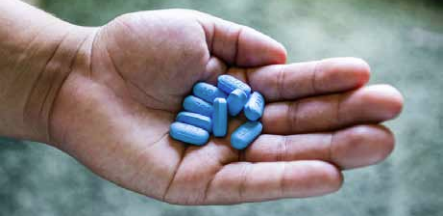
Kenya has recorded the highest number of people in Africa taking pre-exposure prophylaxis (PrEP), a drug that prevents HIV infection among those uninfected by the disease. Currently, 18,000 people are taking the medicines, which were rolled-out by the Ministry of Health in May 2017.
The Ministry is offering PrEP free of charge in selected public health facilities as part of a combination HIV prevention programme for people most at risk of HIV infection. These high-risk groups include young people, serodiscordant couples, people who inject drugs and sex workers.
The medicines are also available for about Sh3600 a month at private hospitals and pharmacies for those eligible to use them. The NASCOP deputy head, who is also the PrEP programme manager, described the PrEP medications as “safe and effective” and discounted claims that the drugs cause sterility.
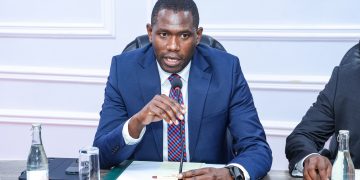
She urged journalists to provide correct information on HIV tools that are available. “During the Amsterdam meeting, for example, a study involving a cohort of more than 1,000 men who have sex with men (MSM) in several European cities, revealed that no new case of HIV infection occurred among those with a 90 per cent adherence,” Dr. Mukui revealed.
According to experts, of the 1.5 million people living with HIV in Kenya, about 400,000 are unaware they are infected by the virus. This means that those who are unaware of their status are unable to access life-saving treatment.
Currently, Kenya has an estimated 53,000 new HIV infections occurring annually from the previous high of 71,000 particularly among young people and key populations. Testing rates are low, especially among men, meaning they are not able to benefit from treatment.
In response, the Health Ministry launched two innovative technologies last year, PrEP and self-testing for HIV. A Kenya Medical Research Institute (KEMRI) researcher, Dr. Elizabeth Irungu noted that an update on studies on PrEP presented at the Amsterdam meeting involving 20,000 participants across several countries, reported that those enrolled experienced decreased anxiety, increased self-efficiency, increased communication and increased sexual pleasure.
Globally, Dr. Irungu said, between 300,000 to 350,000 people were taking PrEP. “Several cities in the world have reported a drastic reduction in the number of new HIV infections following the introduction of PrEP. San Francisco (US) has reported a 50 per cent reduction in new HIV infections; Sydney (Australia) 32 per cent reduction and London 42 per cent reduction.
In Kenya, we expect new HIV infections to reduce from the current 53,000 following the PrEP rollout,” Dr. Irungu added. PrEP stops multiplication (replication) of the virus in the body by building a wall within the body’s cells. “Those eligible for PrEP should be those at high risk of contracting HIV and are uninfected and weigh 35 Kgs and above. The medicines should be taken seven days in a row before one engages in sex,” she said.
She revealed that 70 per cent of those enrolled on ARVs in Kenya have undetectable levels of HIV. At the same time, NASCOP’s self-testing programme manager, Ms Mary Mugambi said HIV self-testing kits were now available in 16 counties where 400,000 self-test kits had been distributed. The approved HIV self-tests kits in Kenya are known as Oraquick HIV selftest (oral fluid) and Insti HIV self-test kit (blood based).
“The Health Ministry plans to provide data on the uptake of the selftesting kits in September 2018,” Ms. Mugambi added. The official explained that 300 pharmacies countrywide were selling the HIV self-test kits for Sh500 and warned parents against using the kits to test their children. “At NASCOP, we have established an App for HIV self-test as well as hotline 1190,” Ms. Mugambi said.
HIV self-testing is a process where a person collects his or her own sample, conducts a HIV test, and interprets own results in an easy, safe and confidential manner. The Health Ministry last year launched the self-test initiative dubbed “Be Self Sure campaign” to encourage people to get tested for HIV. As part of the campaign, the government is making HIV self-test kits available through public and private health facilities and selected pharmacies.
By launching this initiative, Kenya is continuing to affirm its position as a leader and innovator in efforts to end the Aids epidemic by 2030. Currently, UNAIDS is working closely with Kenya to prevent new HIV infections and to ensure that, by 2020, 90 per cent of people living with HIV know their HIV status, 90 per cent of people who know their HIV-positive status are accessing treatment and 90 per cent of people on treatment have suppressed viral loads. By achieving these targets, Kenya will be able to end its AIDS epidemic by 2030.