


By George Tubei
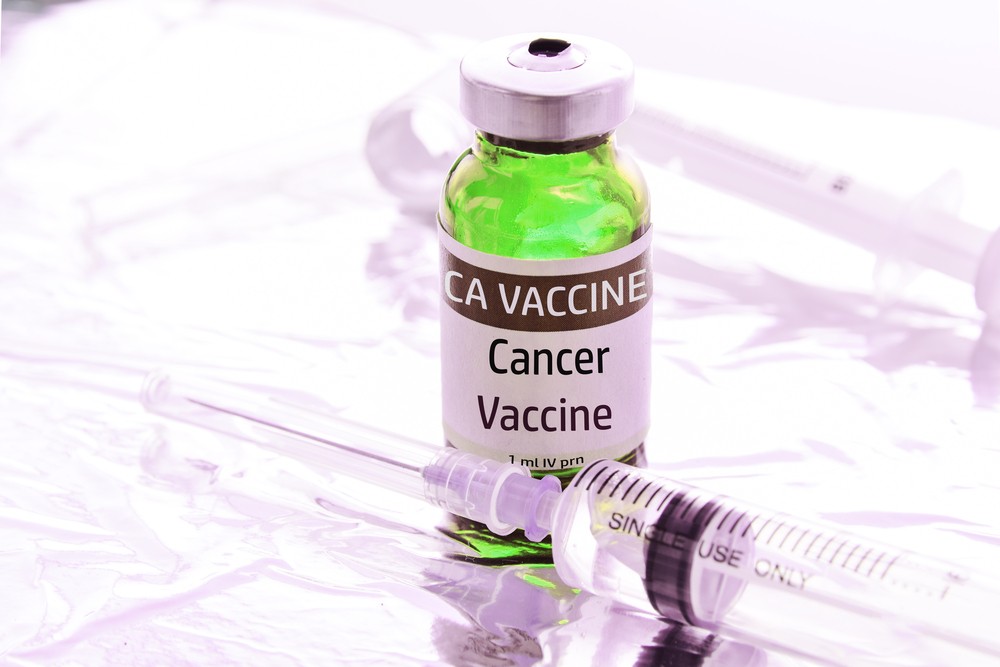
Cancer vaccine
In 2018, the medical fraternity took a huge step forward in the battle against cancer.
In January 2018, Stanford University researchers announced that they were going to start a trial on lymphoma patients following positive results on a vaccine they created that helped in eliminating tumours in mice.
Use of Cannabis to treat drug-resistant epilepsy
In 2018, US drug regulator Food and Drug Administration (FDA) has approved use of Cannabis to treat two rare forms of epilepsy that start in childhood.
Manufactured by GW Pharmaceuticals, Epidiolex is not the same as medical marijuana and is made from cannabidiol, an important chemical content in cannabis. It is available in a syrup form.
Baby Born from a Dead Woman’s Uterus
It will be remembered that a baby was born from a dead woman’s Uterus in December 2018 for the first time in medical history.
While there have been 10 other attempts, this was the first to result in a livebirth.
Male birth control
A study in March 2018 found out how DMAU (dimethandrolone undecanoate) can be effectively used as a male contraceptive pill and could hit the market in five years.
World’s first Genetically-Edited Babies
A scientist in China claimed to have created the world’s first genetically edited babies, in a potentially ground-breaking and controversial medical first that immediately sparked ethical and moral concern across the globe.
He Jiankui, a researcher in China, announced in November 2018 that he had had altered a gene in the embryos of twin girls who were born that month using a genome-editing tool CRISPR-Cas9, making them resistant to infections and cancers.
He Jiankui however, offered no evidence or data to back up his assertions but if it is true, some fear the feat could open the door to “designer babies.”
Spine Implant
Until September 2018, the idea of mind-controlled prosthetic limbs was only possible in a sci-fi film.
Jered Chinnock, a 29-year old man paralysed from the waist down made history after he walked for the first time using a remote-controlled electrode implanted in his back.
The electrode helps stimulate the nerves in his spinal cord simply through the power of his thoughts.
Medical contact lenses
Patients suffering from glaucoma, diabetic retinopathy, inflammation, vein occlusion, and a number of other eye conditions that currently require intensive use of eye drops or in-office injections received a new vision in 2018.
In 2018, Scientists developed a ‘contact lens’ patch with microneedles that could be a painless and efficient alternative to current methods of treating eye diseases such as glaucoma and macular degeneration.
Injection For Migraines
Migraines may soon be a thing of the past thanks to a breakthrough’ injection that become possible in 2018.
A synthetic antibody Erenumab is injected into the body that signals the brain to stop the migraine even before it starts.
The breakthrough injection could reduce the number of migraines by 50 percent.
According to a study published in the American Academy of Neurology the injection is major milestone and there is a high possibility of an injection for migraine in the near future.
World’s first Penis, Scrotum Transplant
The first ever complete Penis, Scrotum transplant went down in 2018.
In a 14-hour-long operation, surgeons at The Johns Hopkins Hospital successfully performed the world’s first total penis and scrotum transplant.
The patient, a war veteran from the US who had suffered genital deformity in Afghanistan while on a military operation and injured his genitals during an explosion, become the first patient in medical history to get a brand-new Penis and Scrotum.
Medical drones
For years drones have been used by the military for security purposes and only just recently did commercial players such as online retail shops like Amazon start embracing use of drones for delivery of small packages.
It seems the medical fraternity does not want to be left behind and in 2008, a number of medical organizations started toying with the idea of rolling out medical drones and significantly reduce the cost of medical care.
Keeping in mind that most patients die due to lack of timely access to medical care such as blood and even simple things like a first aid kit, the entry of drones in the medical field is nothing short of revolutionary.
In Africa, Rwanda is leading the way and already rolled a programme where drones deliver blood and medicines to far flung areas it would be otherwise costly and expensive to send medical personnel.
Keeping in mind all the medical breakthroughs which were witnessed in 2018 it is safe to say 2019 can only be better.