





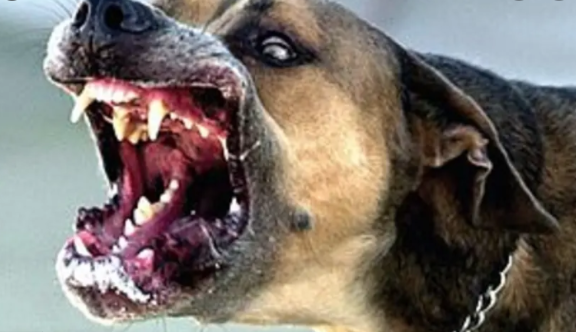
World Animal Protection -International animal’s welfare organization – launched an initiative which provides the first trajectory with actions needed to eliminate dog mediated rabies by 2030.
In a report titled ‘All Eyes on Dogs,’ the organization says that humane rabies control can contribute to One Health implementation and the Sustainable Development Goals.
“World has focused for too long on an obligation to treat rabies in humans, rather than on an ambition to eliminate it,” the report reads in part adding that “killing dogs and vaccinating humans will not stop rabies. Mass dog vaccination, along with responsible ownership, will.”
The report provides various success stories and methods that can be adopted to eliminate rabies through interventions like mass dog vaccination, education, responsible dog ownership and humane dog population management.
In 2014, Kenya stated that up to 2000 Kenyans die from rabies every year with 45 per cent of these cases being children under the age of 15 years.
The report was launched as the world commemorated World Rabies Day, and provides successful examples of Mexico, which has been declared a country free of rabies transmitted by dog bites and a pilot project in Kenya named ‘Makueni County Rabies Elimination Pilot Project’.
World animal protection has vaccinated 70 per cent of dogs in Makueni county, Kenya, so far, which is the amount needed to eliminate rabies.
The organization is also calling on Kenyans to sign petitions compelling county governments to make rabies vaccination for community dogs free to prevent unnecessary human and dog deaths.
“It can cost a county government as little as Sh200 to vaccinate a dog against a family having to pay between Sh10,000 to treat a bitten person,” World Animal protection Kenya says on their website.
This year’s World Rabies Day theme “End Rabies: Collaborate, vaccinate”, was meant to create awareness, inform and educate people on the need for collective action to eradicate rabies and achieve zero deaths by 2030.
“Rabies is entirely preventable and can be eliminated if and only if we focus on dogs. The importance of focusing on animal health, human health and environmental health cannot be overstated.
“Without swift treatment, this disease is fatal, yet unlike many diseases, is preventable with the right course of action. Culling dogs will not eradicate rabies, but vaccinations will,” the report adds.
COVID-19 has unveiled the risks associated with zoonotic diseases. Zoonotic viruses can cause pandemics, causing extensive human mortality and create a global crisis. Rabies is also a zoonotic disease, which takes thousands of lives, both humans as well as dogs every year.
Kenya should implement a humane dog population management and rabies elimination program.
Comprehensive solutions can be executed through proper planning, multi-sectoral and timely coordination, structured implementation and surveillance