





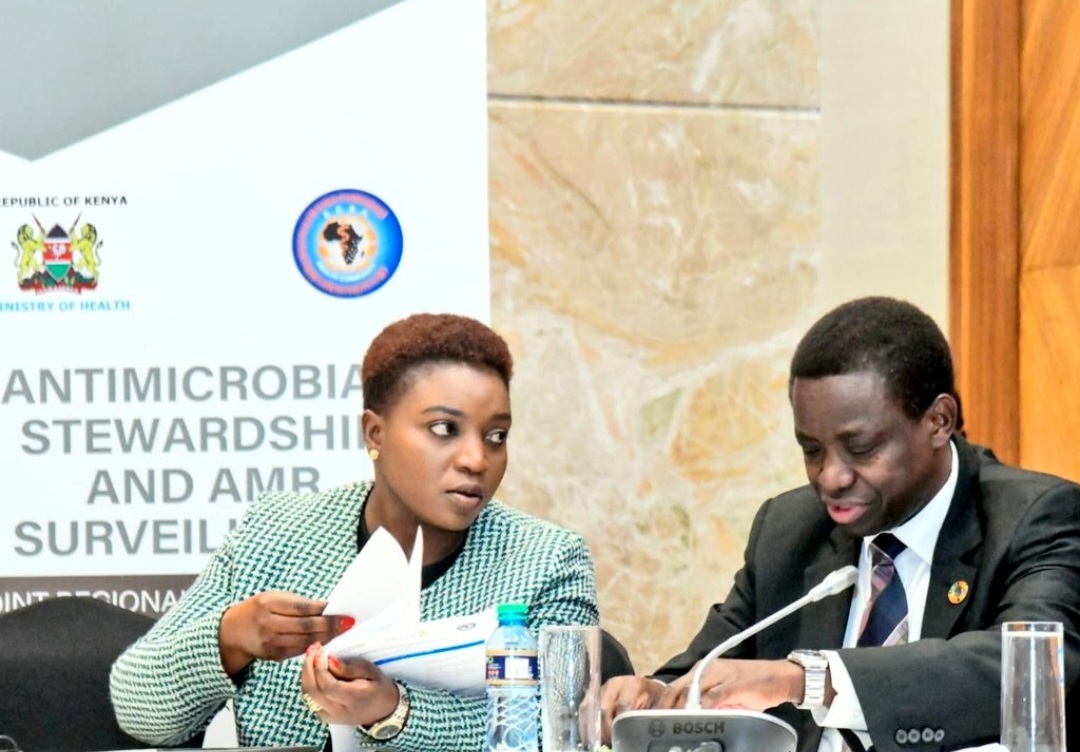
Health experts are calling for collaborations in Africa, for region-specific approaches to implement National Antimicrobial Stewardship programs and deploy antimicrobial resistance (AMR) surveillance systems.
A clear link has been shown between the misuse of antimicrobials and the emergence of AMR. However, owing to the limited capacity of health systems and technological hurdles, comprehensive and robust AMR, antimicrobial use (AMU), and antimicrobial consumption (AMC) data is lacking in many low- and middle- income countries (LMICs), and there remains significant uncertainty as to the burden of drug resistance.
According to experts, AMR poses a significant global threat to public health, causing prolonged illness, increased mortality rates, and higher healthcare costs and addressing it requires a collaborative approach in the implementation of robust antimicrobial stewardship programs.
Speaking at a workshop organized by The East, Central and Southern Africa Health Community (ECSA-HC), jointly with Africa CDC and the Ministry of Health of the Republic of Kenya, to review the regional AMR stewardship guidelines and forge a way forward in the implementation of the AMR surveillance systems, Nakhumicha S. Wafula, the Cabinet Secretary Ministry of Health, said that collaboration and information sharing are essential components of surveillance.
She reiterated need for reliable data as the bedrock upon which effective strategies are built, adding that, by leveraging data, we can identify hotspots of resistance, track emerging threats, and assess the impact of our interventions.
“We must place antimicrobial stewardship at the forefront of our strategies with an emphasis on the responsible use of antibiotics and other antimicrobial agents to preserve their efficacy for current and future generations,” CS Nakhumicha said.
Antimicrobial Resistance (AMR) occurs when bacteria, viruses, fungi and parasites change over time and no longer respond to medicines making infections harder to treat and increasing the risk of disease spread, severe illness and death. As a result of drug resistance, antibiotics and other antimicrobial medicines become ineffective and infections become increasingly difficult or impossible to treat.
In line with the WHO five global objectives of the Global Action Plan on AMR prevention and containment of antimicrobial resistance structured around strategic objectives in five areas namely, public awareness and evaluation, surveillance and monitoring, infection prevention and control, appropriate use of antimicrobials, research and development.
Africa CDC have developed regional guidance documents such as the regional guidance for Antimicrobial Stewardship, regional guidelines on the treatment of common infections undertaken multi-country studies on AMR Surveillance capacities and collaboratively implemented various regional projects supporting the implementation of the National Action Plans on AMR in Member States.
The experts called for increased community awareness and improved stewardship practices to control AMR and strengthening the delivery of services by the microbiology laboratories and a One-Health Approach in integrating efforts across human health, animal health and the environment to prevent the emergency and spread of AMR while promoting responsible use of antibiotics.
The ECSA-HC, jointly with Africa CDC meeting brought together officials and policy makers from 16 countries namely, Comoros, Ethiopia, Kenya, Malawi, Mauritius, Mozambique, Namibia, Rwanda, Seychelles, Somalia, South Africa, South Sudan, Tanzania, Uganda, Zambia and Zimbabwe.
The meeting aims at reviewing Current AMR Stewardship Regional Guidance document including AMS and AMR Surveillance assessment tools. Sharing Best Practices in implementing Antimicrobial Stewardship Programs and deploying AMR Surveillance Systems, Identify Regional Priorities for AMS, AMR Surveillance and Strengthening collaboration through establishing a regional AMR technical working group among the participating countries.