

Atleast 7.4 million children under the age of five years across 10 counties of Kenya are to be vaccinated against polio by the Government, UNICEF, WHO and partners to address the urgent need to prevent the resurgence of polio in the country.
In June this year, Kenya Health authorities confirmed six cases of polio in Garissa County circulating from Hagadera and Dadaab refugee camps, the development which is likely to pose danger to children, especially newborns prompting government to administer supplementary polio immunization campaign.
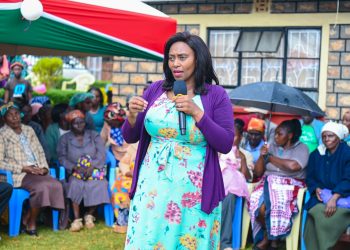
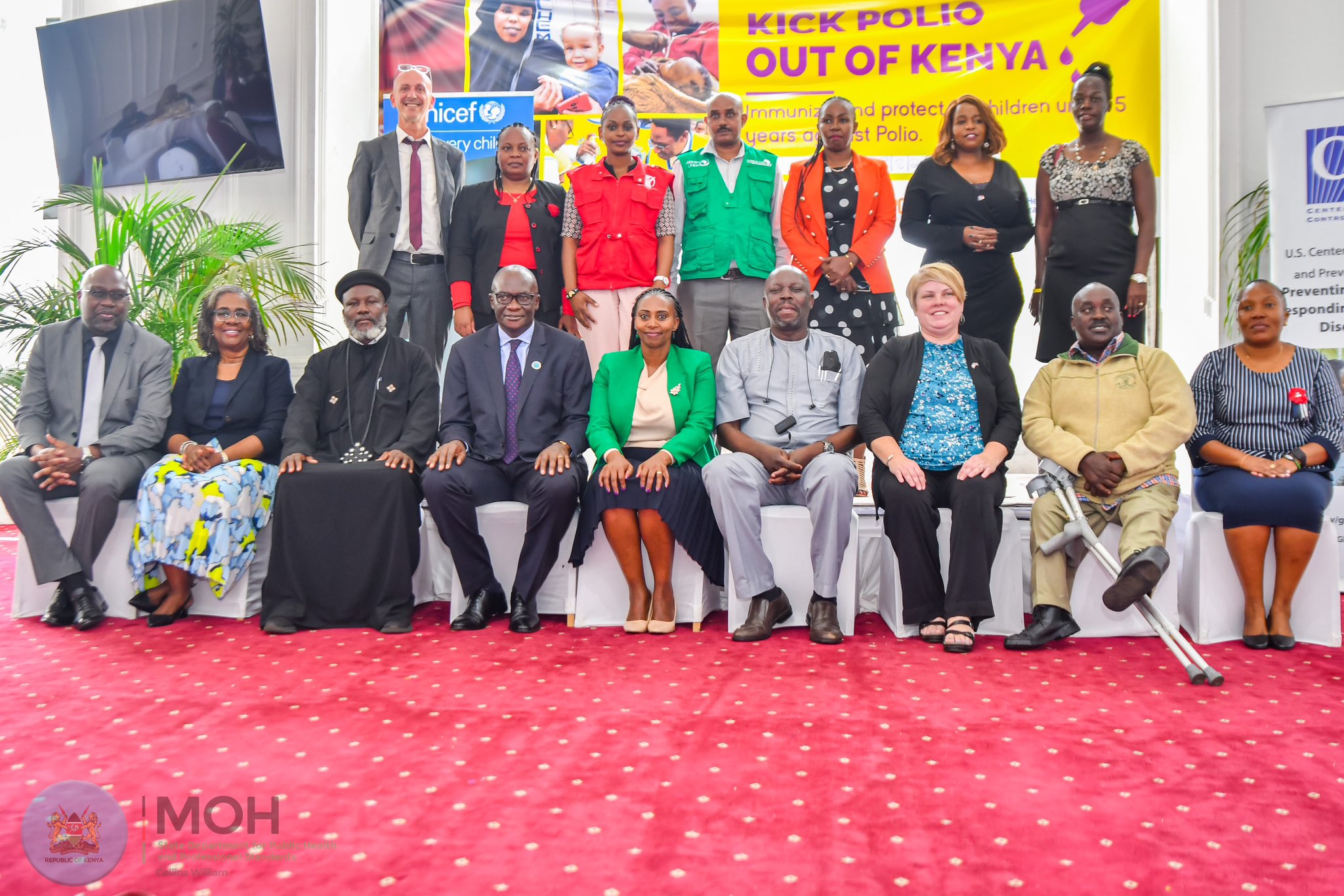
Speaking during a media and stakeholder breakfast meeting in Nairobi, public health and professional standards Principal Secretary Mary Muriuki, said that the cases were detected by healthcare workers through surveillance activities with stool analysis conducted at Kenya Medical Research Institute (KEMRI). She added that, further examinations of the collected samples conducted in Atlanta, USA, confirmed the virus’s similarity to the strain responsible for an outbreak in a neighboring country.
“In response to the confirmed cases, the ministry of health has identified ten counties with the highest risk of polio transmission, namely Nairobi, Kiambu, Kajiado, Garissa, Kitui, Machakos, Tana River, Lamu, Wajir, and Mandera as the focal points of the emergency polio vaccination campaign,” PS Muthoni Said.
She added that, he first round of the campaign, targeting 1.8 million children aged five years and below will be administered from 24th to 28th August 2023 with initial focus on four high risk counties of Kiambu, Nairobi, Kajiado, and Garissa counties.
“Subsequently, the second and third rounds will be conducted between September and October 2023 in six additional counties covering Lamu, Tana River, Wajir, Mandera, Kitui, and Machakos Counties.” Said the health PS.
Polio, a viral disease with no cure, can invade the nervous system and can cause total paralysis within hours, particular among children under 5 years. The virus is transmitted from person to person, mainly through contamination by fecal matter or, less frequently, through contaminated water or food, and multiplies in the intestine.
While there is no cure for polio, the disease can be prevented through administration of a vaccine.
She said that immunization stands as the most potent path to eliminate polio, it is safe and will be disseminated free of charge through door-to-door campaigns, health centers, schools, mosques and churches, “Parents, caregivers must avail this opportunity for the sake of their children’s future and save them from disability.”
Dr Iheoma Onuekwusi, World Health Organization (WHO), lead communicable and non-communicable diseases said that in August 2020, WHO announced that all 47 countries in its Africa region had been certified wild poliovirus-free but countries including Kenya advised post certification to keep their eyes open on imported virus and also ensure that population immunity of children was maintained through regular routine vaccination with Oral poliovirus vaccines (OPV) and Inactivated polio vaccine (IPV) to prevent paralysis and deaths from polio.
Dr Iheoma commended Ministry of health on the sensitivity of its surveillance systems that detected polio viruses in children arriving and residing at the refugee camp where challenges of conducting surveillance activities in security compromised areas of Garissa are real and deter healthcare workers.
She however highlighted that the detection in paralysis in children meant existence of gaps in population immunity.
“We cannot allow children to be paralyzed by polio in a certified polio free region. Joint efforts should be made by MoH and partners to reach eligible children especially in hard-to-reach pastoralists, nomadic, refugee and migrant populations with lifesaving vaccines including OPV and (IPV). We call on county health management teams to identify these vulnerable children and target them for routine immunization services and purpose to reach them during this campaign. “
She called for a robust cross boarder collaboration with neighboring of Somalia, Ethiopia, Uganda and Tanzania urging them to address gaps in surveillance and routine immunization activities.
According to Dr Rose Jalango, National Vaccines and Immunization Program Ministry of Health, Kenya remains at risk of polio because of large populations of vulnerable people due to low immunization coverage resulting from porous borders with high-risk countries, weak immunization systems and high population movements.
While Dr. Yaron Wolman, Chief of Health at UNICEF Kenya said that inadequate coverage of routine vaccinations in Kenya is causing a huge challenge to polio elimination goals.
He said that, even though we have imported cases, inadequate routine vaccinations coverage is causing a huge challenge.
“The polio vaccine is free, safe and accessible. Our dedication to supporting the Kenyan government in procurement of vaccines remains unwavered, parents and caregivers have obligation of protecting their children through immunization.”
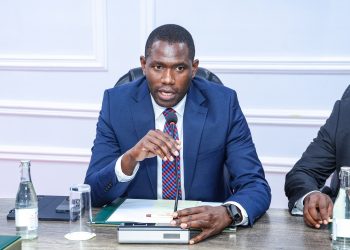
Dr Patrick Amoth Ag director general Ministry of health said that each year approximately 1.5 million children are born in Kenya and according to recently released KDHS data three percent of those children (45,000) have never received a single-dose of routine vaccines ‘zero dose’.
He explained that pockets of unvaccinated children become a risk to other children therefore a need to strengthen routine immunization program, strengthening primary healthcare systems.
“Percentage of children who have received all basic vaccines is lowest in the arid and semi-arid counties of Wajir, Mandera, Garissa and even Nairobi County,” he said.
Dr Amoth challenged researchers to find out the nexus between the recent outbreaks and climate change saying that the prolonged drought in the Horn of Africa may have triggered outbreaks since most countries which were affected with worst drought in 40 years all reported polio cases.