





Kenya Prison Service (KPS) should work with mental health experts such as psychiatrists to upscale mental screening and assessment of inmates before admission and after release to successfully reintegrate inmates into society upon release.
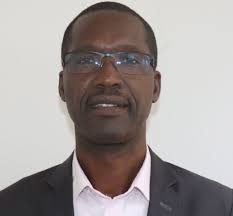
According to Andrew Mungai Kanyutu, Probation Officer, a multi urgency intervention is required to be put in place to curb transfer of mentally ill offenders from the community to prison and vice versa and this can be achieved by working closely with psychiatric hospitals and increased use of non-custodial supervision.
“Kenya should leverage proactive approach to mental healthcare in prisons, this will not only improve the well-being of its inmates but also contribute to a safer and more just society. It’s time to break the silence and address the mental health epidemic behind bars,” he said.
Kanyutu was speaking at the first African Conference on Health and Detention organized by International Committee of the Red Cross (ICRC). The conference brought together over 150 delegates including health experts and officers from different correctional institutions across Africa.
An earlier Study conducted by the Probation and After care Service Officer recommended that the National Council for the Administration of Justice (NCAJ) should spearhead formulation of legislations to decriminalize mental illness laws that promote the treatment and rehabilitation of the mentally ill offenders saying that prison are not best places suited to handle mentally ill inmates.
NCAJ also recommends enhancing access to medication and therapy by providing readily available and affordable mental healthcare services to all inmates.
According to World Health Organization (WHO) and Internal Committee of Red Cross (ICRC) prison overcrowding, various forms of violence, enforced solitude or lack of meaningful activity, isolation from social networks, inadequate health services among other factor have a harmful effect on the mental wellbeing of most prisoners. These conditions create an environment that is detrimental to the wellbeing of inmates, exacerbating existing conditions and potentially leading to new mental issues.
The International Committee of the Red Cross (ICRC) shows that mental health issues can hinder rehabilitation efforts, increase the risk of violence and self-harm within the prison system, and impede successful reintegration into society upon release.
He urged Kenya Prison Service (KPS) to increase investment in mental healthcare infrastructure and capacity building personnels within prisons and prioritize training and recruitment of qualified mental health professionals who can help in addressing mental health crisis in the Kenyan prisons.
“Dealing with mental health in prison requires a multifaceted approach with the probation and after service officers required to redouble their involvement in the release of inmates. He advised that probation and after service officers should be sensitized to supervise special category of criminal offenders who have finished their detention terms when they are released back to the community but have mental health issues through establishing transitional housing (half way homes) within the criminal justice system for mentally ill offenders to facilitate smooth reintegration back to the society.”
Studies indicate that a staggering 63.2percent of Kenyan inmates suffer from some form of mental illness, which is significantly higher than the rate in the overall population. Mungai noted that similar patterns are evident elsewhere, citing statistics that 63 percent of state prison inmates in the United States grapple with mental health issues, while Uganda’s figures indicate that 86 percent of its inmates experience depression.
Kenya has 84 percent of female remandees and 77 percent of male remandees with mental disorders with the common one being mood disorder. Women are more prone to psychological and social harm due to incarceration.
The government has compelled KPS to establish a new Correctional Service Legal Order in order to address the challenges encountered in health services among prisoners in detention.
In Kenya Mental illness is often shrouded in stigma and misunderstanding since it is believed that conditions such as depression.
The World Health Organization (WHO) highlights the complex interplay of factors contributing to this alarming situation. According to WHO research, individuals entering prison often experience pre-existing mental health issues, exacerbated by the traumatic circumstances that may have led to their incarceration. Moreover, the harsh prison environment, characterized by overcrowding, limited access to healthcare, and social isolation, can further contribute to the development and worsening of mental health conditions.
The National Council on the Administration of Justice (NCAJ) has noted the dire conditions and the extended durations of inmate stays, which can span up to 17 years. These prolonged periods in inadequate conditions further exacerbate mental health issues, necessitating immediate action to improve facilities and services.
Ministry of Health (MOH) acknowledges a lack of adequate data and research on the prevalence of mental health, neurological, and substance use disorders among inmates. Despite recognizing prisoners as one of the most vulnerable populations to mental disorders, comprehensive national surveys and studies remain limited. This gap in data underscores the necessity for a more robust approach to addressing mental health needs in prisons.
According to report by National Council for Administration of Justice (NCAJ) through the National Committee on Criminal Justice Reforms (NCCJR) observed that inmates who get incarcerated for attempting and exhibiting suicidal tendencies require mental health treatment such as psychological counselling, psychotherapy and participating suicide presentation programs.