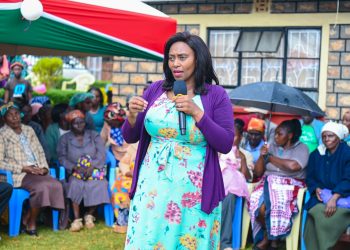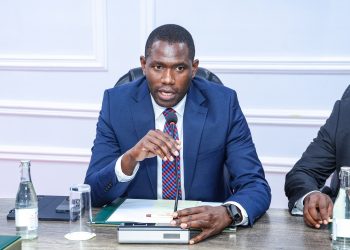

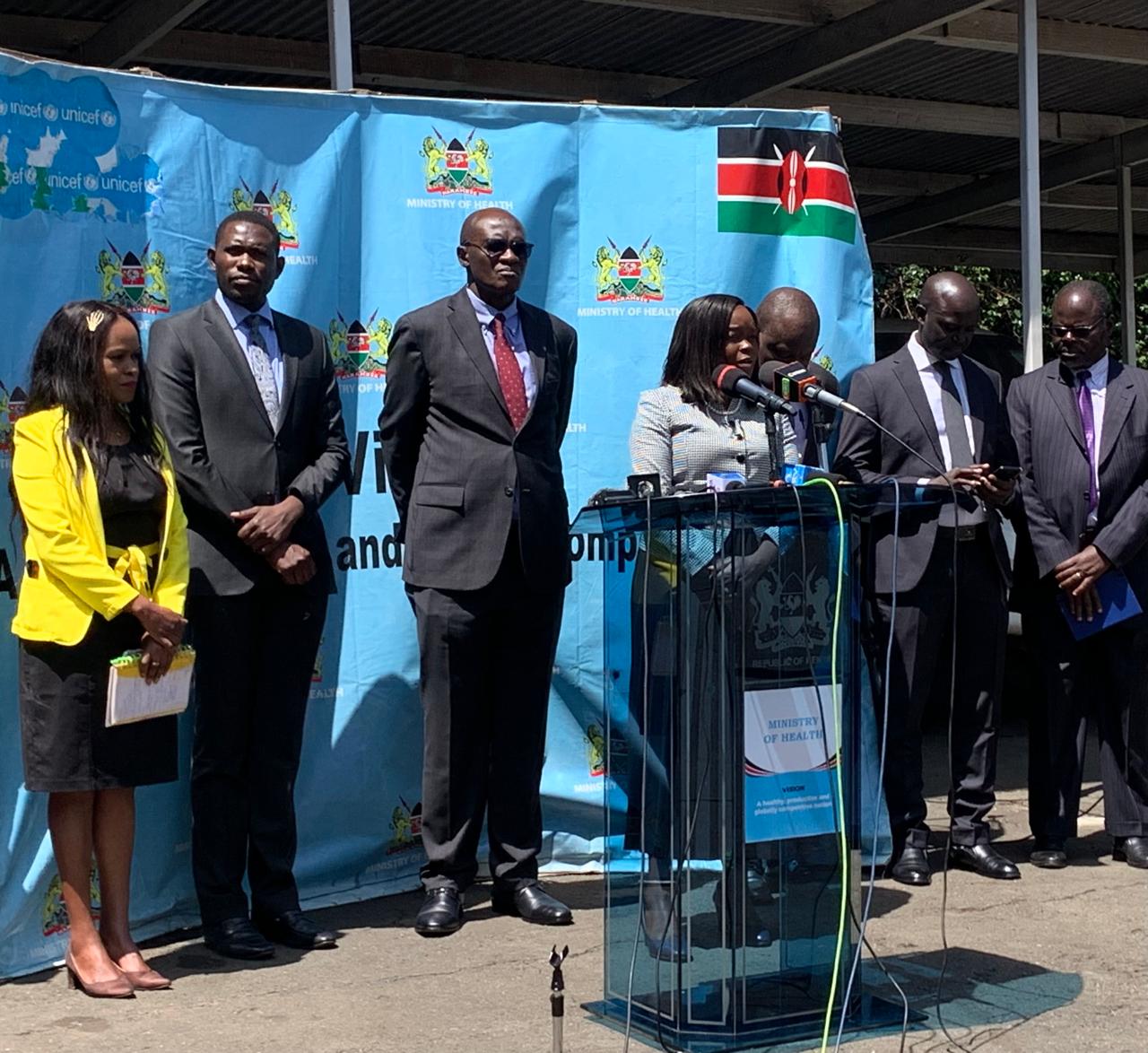
Kenya is set to integrate HIV and TB programs into the broader healthcare system after funding cuts from the United States. According to Cabinet Secretary for health Dr. Deborah Mlongo Barasa this has been in motion for a while, with a focus on sustainability and long-term planning.
The Ministry of Health through the CS has reaffirmed its commitment to ensuring the continuity of essential health services despite global challenges and shifting priorities.
“The Government of Kenya remains committed to ensuring the continuity of essential health services. This includes the ongoing provision of HIV, TB, and other critical health services, ensuring that no Kenyan is left behind.”
For the past 40 years, Kenya has depended on foreign aid to sustain the country’s HIV and TB programs. This support has enabled the country to surpass the global 95-95-95 targets, with 98 per cent of Kenyans knowing their HIV status, and of those, 98 per cent are on treatment. Viral suppression currently stands at 94 per cent.
With foreign aid no longer a sustainable long-term solution, the government is now shifting focus to domestic health financing to ensure continued access to vital health services.
“We have depended on partners who have done a great job in ensuring that HIV patients and TB patients are receiving health services. We really acknowledge and appreciate the great work that they have done,” she stated. “But at this juncture, I believe that it is critical for us to think of sustainable solutions and domestic health financing.”
According to the Health CS, the integration of TB and HIV programs will enable the government to optimize resources that have previously been lost due to fragmentation within the Ministry of Health.
Counties such as Murang’a have shown best practices and successfully implemented this approach, providing a model for the rest of the country.
In light of the funding cuts, the CS assured the public, “this is not a crisis, it has been carefully planned we have had long-term strategies as a ministry to ensure integration, sustainability and continuity. Domestic health financing is our key focus and integration is the way forward. We need a single plan and a unified budget to move forward.”
She emphasized that this shift is not an emergency response but a strategic realignment aimed at ensuring that HIV and TB programs operate within a comprehensive and sustainable healthcare system.
“We need to ensure that these programs are not operating in silos but are part of a comprehensive, sustainable health system,” Dr. Barasa emphasized.
To support this transition, the government is exploring additional financing mechanisms, including treasury allocations and private sector partnerships, to strengthen the financial sustainability of health services.
The CS called on Kenyans to do their part by registering for the Social Health Authority (SHA) to enable Kenya to achieve a self-sufficient healthcare system.
“It is important that we now consider domestic health financing, and that is why TaifaCare under SHA is a crucial step toward self-sufficiency,’ Dr. Barasa stated.
Currently, nearly 19 million Kenyans have registered for SHA making a significant step towards Universal Healthcare Coverage (UHC).
“TaifaCare, which represents universal health coverage (UHC) provides affordable, accessible, quality care to Kenyans, is really paramount at this time.”
Dr. Barasa also underscored the importance of avoiding panic as global health priorities shift.
“As we face emerging issues such as the reorganization of health priorities, it is crucial that we avoid panic. Recent discussions around the global role of organizations like WHO and UNAIDS are important, compounded by the happenings in the US, but we recognize that Kenya is equipped with the experience, leadership, and policy direction to take charge of our health systems. The focus, moving forward, is on integration and adaptation within the Kenyan context.”
With a clear policy direction and growing domestic health financing initiatives, Kenya aims to establish a resilient and self-sustaining healthcare system that ensures continued access to essential services for all citizens.
“We need to stand on our own feet and become self-reliant. The withdrawal of funds is a call for us to strengthen our healthcare system and secure a future where every Kenyan can access affordable, quality healthcare,” she affirmed.