


Kenya faces a looming crisis on vaccine shortage if the country does not honor its vaccination co-financing deal with Gavi,The Vaccine Alliance. Under this deal, Kenya is required to contribute Kshs 1.25 billion towards its immunization program.
In an agreement that is set to give the Kenyan Government a soft landing, Gavi is slowly transitioning out of the country and expects Kenya to independently finance its vaccine needs by 2029.
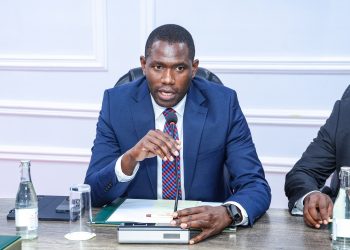
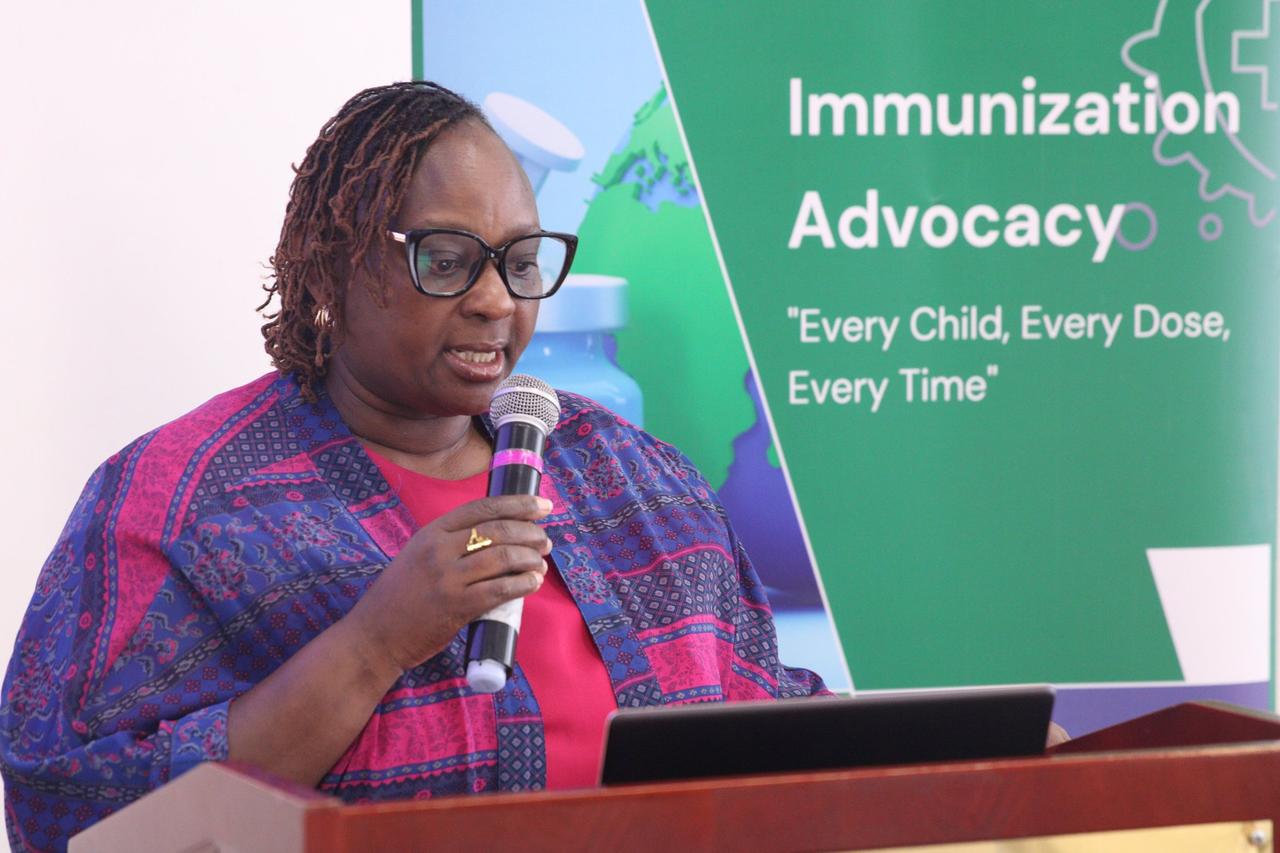
Speaking to Journalists, Dr Margaret Lubaale, Health NGO’s Network (HENNET) Executive Director raised concerns over the country’s failure to allocate funds for vaccine procurement since July 1, 2024.
“Since July 1st, 2024, the country has not put in a single shilling towards its part of the vaccine. This money is usually given to UNICEF, which procures vaccines at a discounted rate. If we fail to make this payment by the deadline of June 30th, we could be looking at a possible vaccine stock out. If we don’t pay fully by July 1st, Kenya won’t get its part of finances from Gavi,” she warned.
The failure to meet this obligation could disrupt the supply chain, delaying procurement and putting millions of children at risk of preventable diseases.
According to the World Health Organization (WHO), vaccines prevent up to 20 life-threatening diseases, saving between 3.5 million and 5 million lives annually from illnesses such as diphtheria, tetanus, pertussis, influenza, and measles.
Dr. Lubaale emphasized that Gavi’s transition period is designed to allow Kenya to gradually increase its financial contribution to immunization programs, ensuring a smooth shift to self-reliance.
“We have been given an eight-year transition period under the Gavi framework, which provides a structured, gradual path toward self-financing our immunization programs. Unlike the abrupt stop-work order, which left us unprepared, Gavi allows us to increase our co-financing annually until we can fully fund our own immunization programs.” She said.
Initially Gavi was set to transition out of Kenya by 2027, but a compromise was reached when the cofinancing deal was proposed, despite this flexibility, Kenya remains the only country yet to honor its co-financing agreement. Nations such as Somalia, Sudan, and Haiti have already met their respective obligations.
“If we don’t take this transition seriously, we risk backsliding once external funding is withdrawn. And the consequences will be devastating. We cannot afford failure,” Dr. Lubaale cautioned.
As the June 30th deadline approaches, pressure is mounting on the government to act swiftly and secure the country’s vaccine supply, ensuring continued protection against preventable diseases.