



As Non-Communicable Diseases (NCDs) continue to silently claim thousands of lives across Kenya, a group of concerned health professionals is sounding the alarm—and offering a lifeline. The initiative, led by Doctors for Healthy Living, is urging Kenyans to “Know Their Numbers” by regularly measuring five critical health indicators: blood pressure, blood cholesterol, blood sugar, body mass index (BMI), and waist circumference.
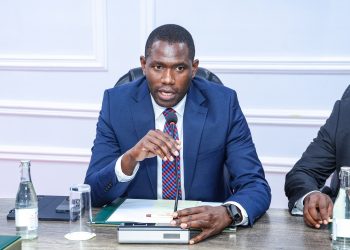
According to Dr. Geoffrey Mutuma, a consultant pathologist, researcher and lead advocate of the campaign, the importance of knowing these numbers cannot be overstated.
“Hundreds of thousands of lives can be saved each year if Kenyans took the time to know these five critical numbers,” said Dr. Mutuma. “These are the key indicators of one’s risk of developing life-threatening conditions like heart disease, diabetes, and stroke.”
A national health survey known as the STEPwise Survey for Non-Communicable Diseases conducted in 2015 revealed a grim reality—NCDs account for more than 50 percent of hospital admissions and over 55 percent of hospital deaths in Kenya. The most common NCDs affecting Kenyans include cardiovascular diseases, cancers, diabetes, and chronic obstructive pulmonary disease.
Despite the growing threat, awareness remains dangerously low.
“Unfortunately, many Kenyans are not aware that knowing these numbers early enough can help them and their loved ones avoid unnecessary deaths or disabilities,” Dr. Mutuma noted. “People die or become incapacitated simply because they didn’t know they were at risk.”
Dr. Mutuma lists a number of modifiable risk factors contributing to the rising tide of NCDs in Kenya: lack of physical activity, poor diet, smoking, alcohol use, obesity, and being overweight. He also highlights the importance of family history as a risk factor.
“Empowering individuals to obtain, process, and act on basic health information is key,” he said. “Actionable knowledge is what helps people make informed decisions about their wellbeing.”
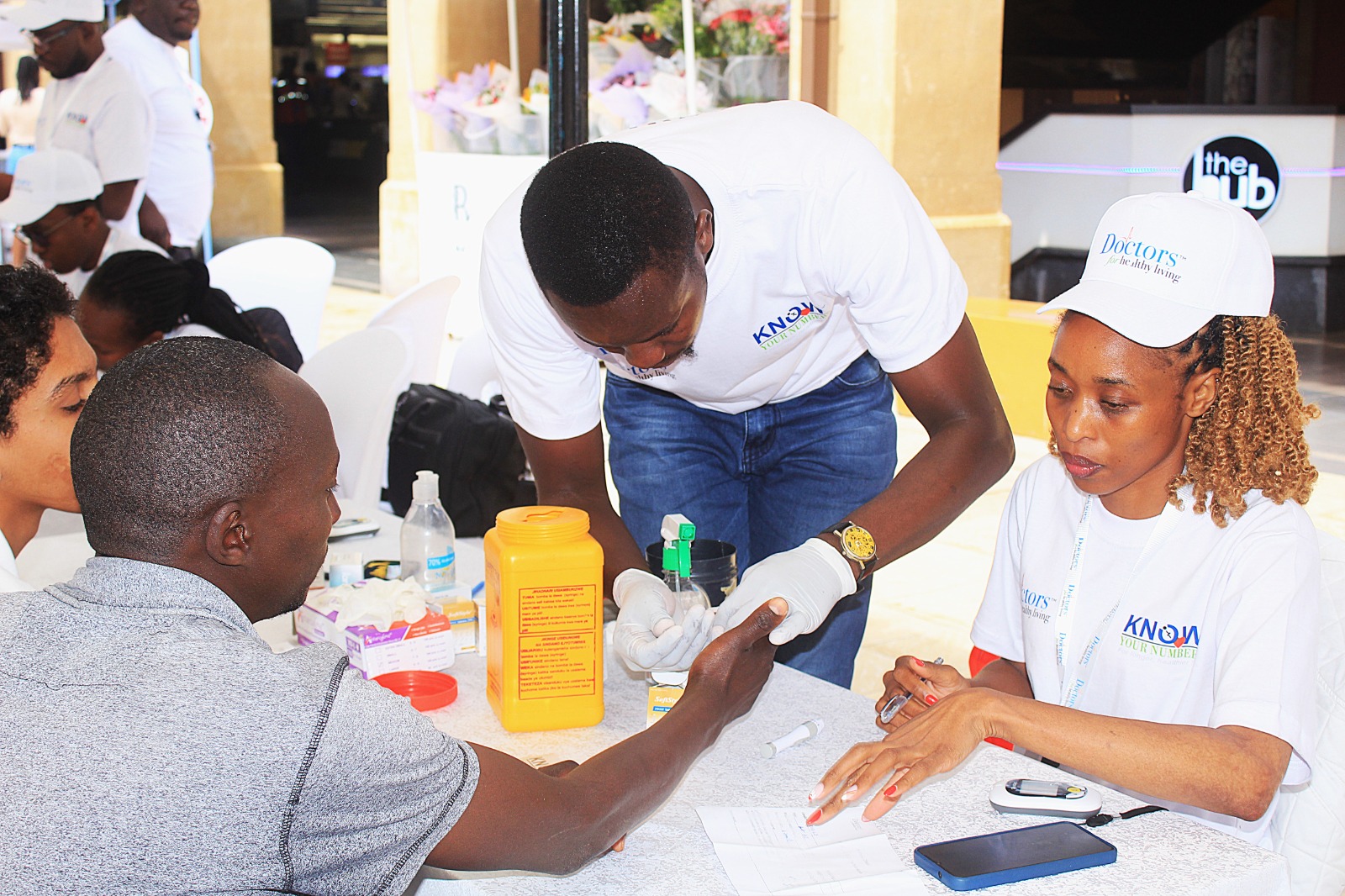
Doctors for Healthy Living has launched a community outreach program called the “Know Your Numbers” Health Camp, offering free screenings to members of the public. At these camps, participants are checked for raised blood pressure, cholesterol levels, blood glucose, BMI, and waist circumference.
“We tell people the need to focus on their diet and check their weight and blood pressure regularly. What you eat today will determine your health 20 years from now,” Dr. Mutuma emphasized. “That’s why we are especially encouraging young people to start early.”
For 55-year-old Chris Irungu, a recreational runner, the numbers were a wake-up call. A visit to the doctor revealed that he was overweight and at high risk due to a family history of diabetes and hypertension. That appointment changed his life.
“I started running 10 kilometers every weekend,” Irungu shared. “The doctors told me I needed to stay physically fit. Now I measure my blood pressure, cholesterol, and glucose levels regularly.”
Irungu’s story highlights a broader lesson: prevention is not only healthier but far more cost-effective.
“It’s very expensive to manage NCDs once they are diagnosed late,” he said. “It’s better to know your numbers early and make lifestyle changes than to wait until it’s too late.”
According to Dr. Mutuma, one in every three people in Kenya may be living with an undiagnosed NCD. Often, they only seek medical help when the disease has progressed to a severe stage—incurring massive treatment costs and reducing chances of recovery.
“This is why we are taking the initiative outside hospitals and into communities. Creating awareness and bringing testing services closer to people will help reduce the NCD burden we are currently experiencing,” he said.
As Kenya battles the silent epidemic of NCDs, the message from the Doctors for healthy living is clear: know your numbers, take charge of your health, and live longer.