




Don’t take antibiotics if you don’t need them, infectious disease specialists have warned as a spike in cases of Antimicrobial Resistance (AMR) has been documented with the prevalence hitting 44 percent. However, again this is with the absence of adequate data to inform a proper strategy.
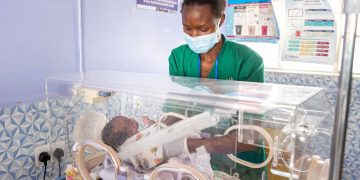
It’s even more concerning that infants take a big share of the prevalence, due to their fragile nature while on treatment for upper respiratory tract infections, such as pneumonia.
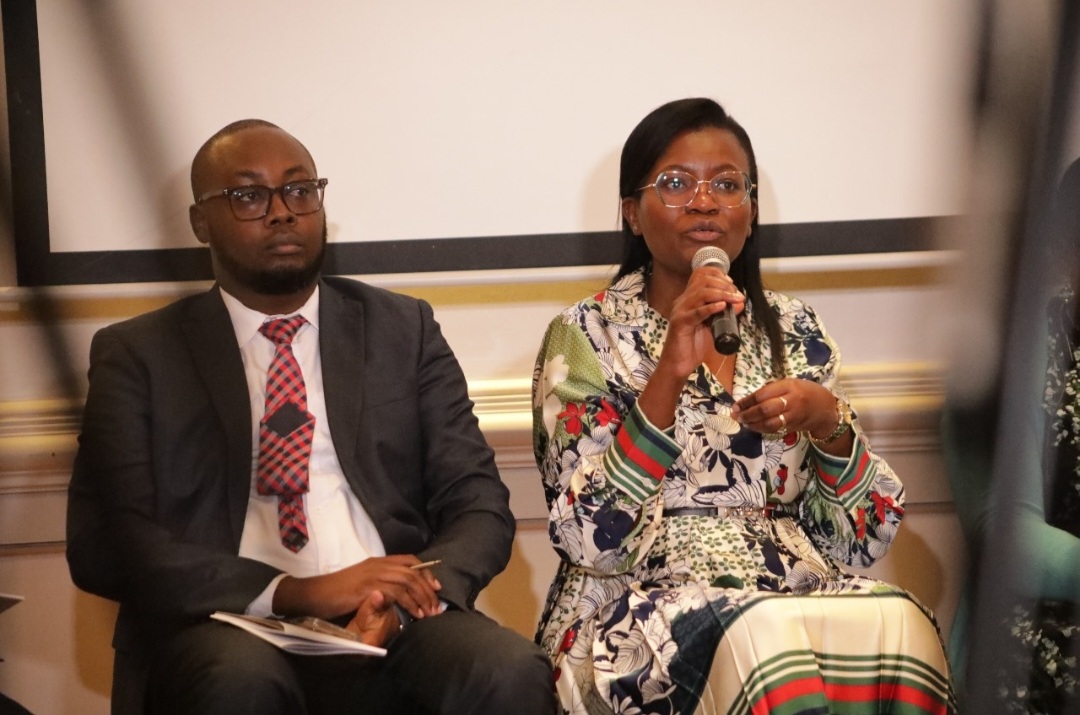
Feeling overwhelmed by the rising number of cases of AMR, Dr. Loice Ombajo, a lecturer at the University of Nairobi and Team Lead at the Center for Epidemiological Modelling and Analysis (CEMA) was direct.
“You shouldn’t take antibiotics if you don’t need them,” she said during an AMR stakeholders’ meeting in Nairobi where it was revealed that Kenyans have resorted to self-medication, treating minor diseases such as common flu and diarrhea using restricted antibiotics.
“Don’t prescribe for yourself because you are creating a horrible situation for yourself in the future,” she insisted even as the experts in the meeting also raised concern over little awareness on AMR among majority of Kenyans.
This is in the backdrop of an interesting scenario where chemists in the country were raking billions of shillings through over-the-counter sales, and a country relying on data from just 12 laboratories along the Mombasa-Kisumu railway belt.
Dr. Ombajo is saying that in the survey, a team she leads worked with 12 labs in the country along the railway line, the coast towards Lake Victoria, while the rest of the country nothing is happening. And in this section of the country what they witnessed is that on top of azithromycin, an antibiotic that became quite common with Kenyans during the Covid-19 pandemic, was being abused anyhow to treat common upper respiratrory infections, together with Cefuroxime, used to treat certain infections caused by bacteria, such as bronchitis, infection of the airway tubes leading to the lungs; gonorrhea- a sexually transmitted disease among other infections.
“In hospitals, we see antibiotics such as Ceftriaxone that is used to treat bacterial infections in many different parts of the body. This medicine is also given before certain types of surgery to prevent infections.
“However, when people continue to use them, they also become resistant, and they can’t be used again. Some of them are used to treat diseases such as pneumonia,” she says.
An estimated 20 laboratories across the country submitted surveillance data to the National Public Health Laboratory. However, the point of prevalence surveys on antibiotic use was done in 12 hospitals with AMR sites including; Kisumu, Mombasa, Kilifi, Nyeri, Kiambu, Uasin Gishu, Nairobi, Nakuru, Bungoma, Kisii, Makueni, Kakamega, Transzoia, and Machakos between 2021-2024.
“So a large chunk of the country is left out, and that’s one of the things that we need to start thinking about. What happens if I’m admitted in Garissa? What happens if you’re admitted somewhere in Nakuru?, and what happens if someone requires admission to Kano or to the northeast of the country? She posed, noting that there’s really good microbiology work happening, but which means a lot of these threats then go undetected.
The specialists point out that a lot of the work that’s been done was supported by external funding, meaning there is need for local resource support to keep the work going, to generate enough data, which in turn will give the true picture of the burden of AMR in the country.
According to Prof. Margaret Oluka, recent surveys have revealed that antibiotic prescribing practices, particularly in the hospitals has seen AMR change the way doctors and health facilities approach common infections such as Urinary Tract Infection (UTIs), pneumonia, or even malaria.
She emphasized the need for researchers to have documented data on the use of antibiotics in hospitals by their own prescribers. “This was important so that as a country, we generate data locally so that we can document what our people, the practices, antibiotic prescribing practices of our own prescribers so that we can use that data to generate our own interventions that address our own patterns,” she said.
Having taken part in the survey, Prof Oluka noted that from the questions such as what was being prescribed, the prevalence of use of antibiotics in the country, the prevalence was around 44 percent.
“That means out of 100 patients in hospitals, 44 of them are being given antibiotics. This is quite high because we do not expect this kind of prevalence,” she said.
During the survey, the team selected the 10 most commonly used antibiotics, and the number one on that list is a drug that is known as Ceftriaxone, with 23 percent usage in the country.
Prof. Oluka warned that this antibiotic should not be used commonly the way it was shown in the hospitals, because it’s among those drugs the World Health Organisation’s (WHO) watch list.
“We should be using antibiotics more commonly in the access class, instead we are using a very, very important antibiotic,” she said.
For instance, it is already shown that about 70 percent of people have developed Ceftriaxone resistance.
Of the10 antibiotics, Prof. Oluka listed,
Meropenem in Number six on that list is a drug that is now even more important than Ceftriaxone because it belongs to the group called Reserve Antibiotic, the one that should only be used for very serious bacterial infections.
“It is shown in the first 10 most commonly used antibiotics in this country,” she said.
Dr. Ali Kassim, a clinical microbiologist at the Kenyatta National Hospital (KNH) argued that the overuse and misuse of antibiotics is what continues to accelerate AMR, and calls for strict enforcement of the existing legal and policy framework.
From observations through laboratory tests, and what’s being prescribed, he talks of resistance developing and affecting the use of antibiotics in small groups, making it difficult to treat.
“If you know you cannot treat the disease, it means that you can die out of it, because we currently don’t have medicines,” he warns, further noting that if Ceftriaxone is not available it means that there is no medicine to keep the children from this infection.
Based on the latest surveillance data, Dr. Kassim identified Escherichia coli (E. coli), and Klebsiella pneumonia as some of the commonest bacteria that are isolated identically in most facilities, microbiology laboratories across the country.
Dr. Kassim is convinced the outcomes of various surveys demonstrates that there is urgent need for intervention since the antibiotics and the prescribing pattern reveals a similar trend.
He points to literature that shows there is already resistance starting to develop for Ceftriaxone, a reserved antibiotic.
“And this is a matter of great, great concern, meaning that very soon, as a country, we shall not have any antibiotics left for us to use.
“Further, as a country, we have to start thinking about how to ensure that whatever is needed for patient care is adequately funded,” Dr. Kassim shared further, saying it’s important to ensure that microbiology labs work throughout the country, and not just those that are funded along this railway line.
But largely, lack of awareness and education on AMR and it’s causes among Kenyans was identified.
However, according to Dr. Emannuel Tanui, the National AMR Focal Point Lead t the Ministry of Health, a national action plan for prevention and containment of antimicrobial resistance, has identified priorities in order to address AMR.
One of them, he says is creating awareness across the communities, members of the public, and professionals.
“Once people are aware about the level of resistance and the impact that it causes, then they can be able to start the journey of behaviour change because once this happens in terms of the misuse of antimicrobials, then we will lower the level of resistance,” he noted.
The other priority identified according to Dr. Tanui is promoting infection prevention and control, which is a key intervention to facilitate the reduction of the incidence of infections.
“So as a country we need to rise as a centre of excellence across the region in terms of demonstrating that we are at the forefront in implementing the national action plans, and this is through sustained funding of these interventions,” he said, but was apprehensive that despite the lessons picked along the way, the journey of implementing the national action plan, which started in 2017, has largely been affected by the shrinking donor support.
“But since most of the interventions are usually supported by donor funding, we need to allocate adequate national resources to be able to address these menace,” he said.
While implementing the national action plan, Dr. Tanui feels that the country is now able to know the level of resistance across most of the healthcare facilities.