

A coalition of Kenyan cancer patients and survivors is demanding a significant increase in taxes on tobacco and nicotine products, arguing the revenue is essential to sustainably fund the country’s underfunded health sector and combat the rising tide of non-communicable diseases (NCDs).
The groups, including the Cancer Survivors,cancer patients and civil society organizations in Kenya working on tobacco control contend the current healthcare system is “failing patients every day.”
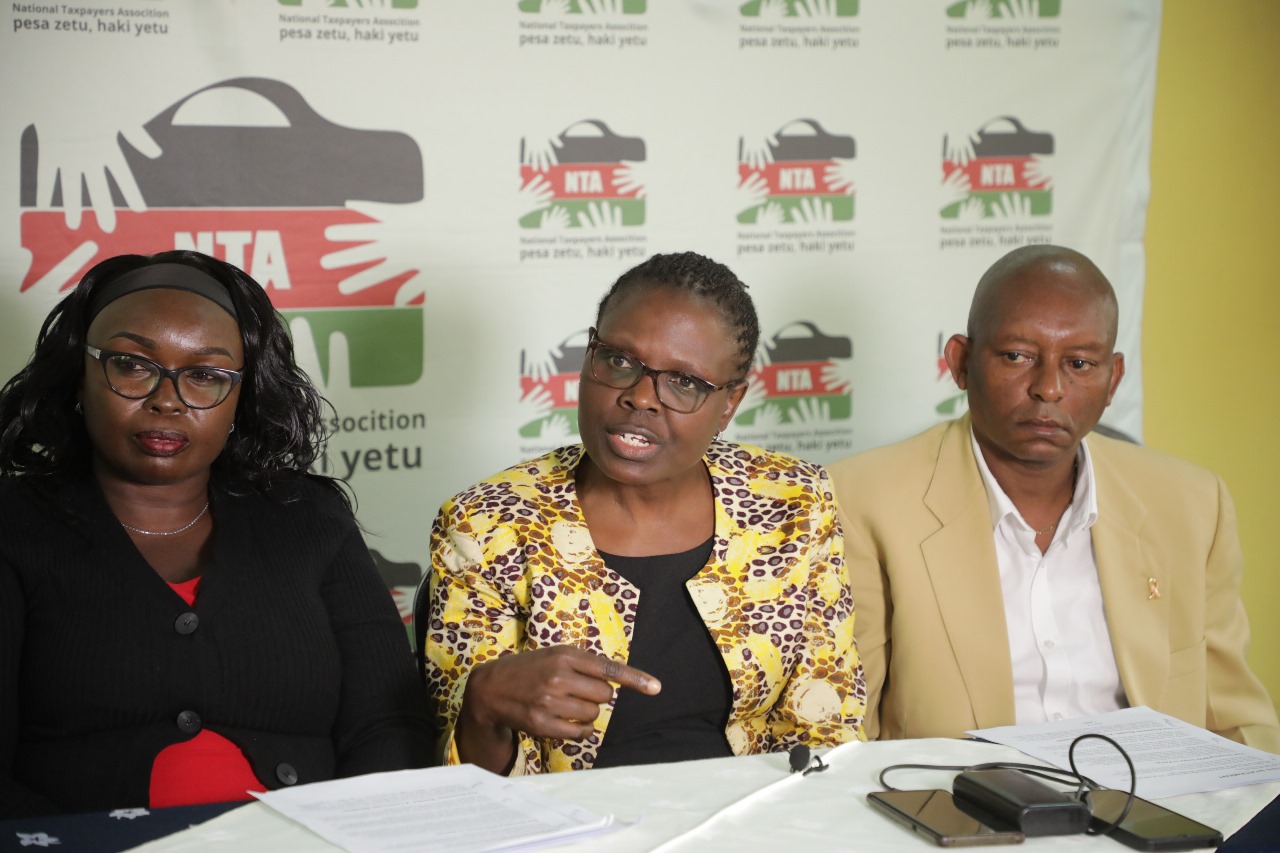
During a joint briefing in Nairobi, Prisca Githuka, a breast cancer survivor and Vice-Chair of the Kenyan Network of Cancer Organisations, issued a clarion call to government to increase tobacco taxes to fund the cancer and other noncommunicable diseases burden.
“We call on the government to raise tobacco and nicotine taxes to sustainably finance Kenya’s health sector and reverse the rising burden of cancer and other non-communicable diseases,” she said.
The group pointed out that economic and health burdens of tobacco use are staggering.
Childhood cancer survivor Robert Marine from Champions of Hope said that the economics of tobacco are a clear “lose-lose for Kenya.”
He explained, “For every 129 shillings collected in tobacco tax revenue, Kenya loses between 284 and 387 shillings treating tobacco-related illnesses. That’s a guaranteed net loss of up to 200percent”
Data underscores this crisis, showing that tobacco-related illnesses cost the country up to 97.6 billion shillings annually,51.1 billion in healthcare costs and as much as 46.7 billion in productivity losses. The average cost per cancer case alone is a devastating 3 million shillings per patient.
Despite this clear and escalating crisis, government funding for cancer care remains dangerously inconsistent. Marine pointed out that spending on NCD prevention plummeted from 2.25 billion shillings in 2023/24 to a mere 749.3 million in 2024/25, a dramatic drop that severely undermines patient care and long-term planning.
According to Ken Marau of the International Institute for Legislative Affairs (IILA), NCDs now account for nearly half of all hospital admissions and 39 percent of all deaths in Kenya.
Mary Nafula, a breast cancer patient and founder of Warriors of Hope, detailed the daily struggles patients face, including frequent drug shortages, with essential cancer and palliative care medications often unavailable in public facilities.
She also lamented that the national oncology package is capped at 550,000 shillings, a fraction of the actual cost of treatment.
“The Social Health Authority (SHA) oncology package is capped at 550,000 shillings, far below real treatment costs, cancer is not one disease and one approach to treatment and financing may not be adequate to all patients,” Nafula said. “There are also confusing rules around accessing the Emergency, Chronic and Critical Illness Fund (ECCIF), and out-of-pocket expenses are forcing patients to delay or abandon treatment.”
Nafula added that the system is riddled with errors, with patients’ accounts showing as expired despite valid payments, and unconsented deductions from M-Pesa for premium financing. Patients in rural areas face even greater hurdles, often traveling long distances to SHA offices for clarification on their benefits.
The coalition demands that the government should raise Taxes on Tobacco by increasing taxes on tobacco and nicotine products to at least 70 percent of the retail price, in line with World Health Organization (WHO) guidelines.
They also calls for a legislative action by urging the lawmakers to pass the Tobacco Control Act Amendment Bill 2024 and include the proposed tax hikes in the upcoming Finance Bill.
The coalition also calls for strengthening of Enforcement and challenged Kenya Revenue Authority (KRA) to intensify efforts to curb illicit trade and improve tax collection.
The group also demanded for Systemic Reforms asking the Ministry of Health to address systemic failures within the Social Health Authority, ensure a consistent supply of essential drugs, and expand the oncology coverage package.
“Every day of government delay costs lives,” the groups concluded in a unified statement. “The time for excuses is over. Kenyans deserve the affordable, accessible cancer care they have been promised and are paying for.”