
By Ivyn Kipruto
Young people from across Africa are demanding a stronger say in climate policy and urgent investments in climate-resilient schools as the continent faces mounting climate challenges.
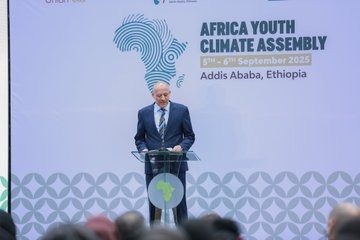
At the just concluded Africa Climate Summit in Addis -Ababa, more than 60 children from 16 countries presented their views and experiences to heads of state, urging governments to include children as key stakeholders in climate decision-making.
The young advocates, supported by child rights organization including Save the Children, are also calling for the creation of an African Children’s Climate Council to advise policymakers on the unique needs and vulnerabilities of children.
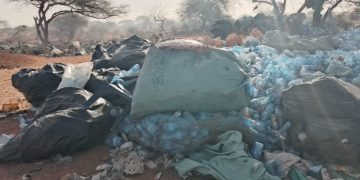
For many children, the climate crisis is not a distant future problem but a daily reality. Extreme weather events such as cyclones, floods, and prolonged droughts have destroyed schools, disrupted classes, and worsened poverty, forcing some children out of education altogether.
“As children, we continue to face the impacts of climate change, particularly in education, where heavy rains damage classrooms and disrupt our schooling. Extreme weather also destroys household food crops, which negatively affects children’s nutrition.” Claire, a 14-year-old from Rwanda, noted.
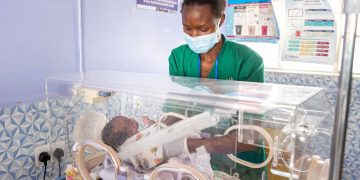
The young campaigners argue that schools and hospitals must be designed to withstand climate shocks. They want governments to invest in renewable energy, heat-resistant building materials, and water-saving systems to ensure essential services can continue during crises.
The children’s demands extend beyond infrastructure, they are also pressing for more climate smart agriculture in schools, the expansion of school feeding programmes with nutritious and climate-resilient meals.
They also ask for creation of school-based gardens and farms. Such initiatives, they argue, would improve food security, reduce hunger, and help young people learn sustainable farming practices.
Mental health support is another pressing need with many children saying climate anxiety, displacement, and loss from disasters are leaving emotional scars. The children are calling for counselling and emergency response plans tailored specifically to children and youth.
“We are not too young to understand. We know our vulnerabilities, we know what our communities are going through, and we know what we can do about it. Give us the means to act.” Mounira, a 14-year-old from Niger, underscored the urgency of empowering young people.
Africa is one of the regions most affected by the climate crisis. The continent is warming slightly faster than the global average, amplifying extreme weather that devastates agriculture, damages infrastructure, and disrupts essential services like education and healthcare. For children, these shocks often translate into lost learning, hunger, child labour, and early marriages.
“If leaders want to prevent children’s suffering, they must listen to us — but listening is not enough. We don’t just need words, we need action. Climate change is destroying our education, our environment, our world, and our future.” Nafisa, a 17-year-old from Somalia, warned that the time for rhetoric is over.
“As Africa embarks on a green and just transition, investing in its children is crucial. Yet less than two per cent of global climate finance goes to child-specific interventions. We must build climate-resilient education systems that protect children’s right to learn, integrate green skills into curricula, and ensure inclusivity for all – including children with disabilities and those displaced by disasters. By doing so, no child will be left behind in the green transition, from Addis Ababa to Belem and beyond.” , stressed Malama Mwila, Senior Child Rights Advocacy Campaigns Advisor
Save the Children, which works in 110 countries, has already piloted innovative solutions such as floating schools, cash grants for disaster-hit families, and rebuilding destroyed classrooms. The organisation is also lobbying governments and international bodies to make children’s voices central in global climate negotiations, including the upcoming UN climate talks.