



By Daniel Omwoyo
For thousands of Kenyans battling kidney disease, a quiet transformation is taking place in the heart of Nairobi. Rising steadily on a stretch of land near Kenyatta National Hospital, the East African Kidney Institute (EAKI) stands as a symbol of hope a promise that the days of long hospital queues, expensive treatments abroad, and overburdened dialysis units may soon be coming to an end.
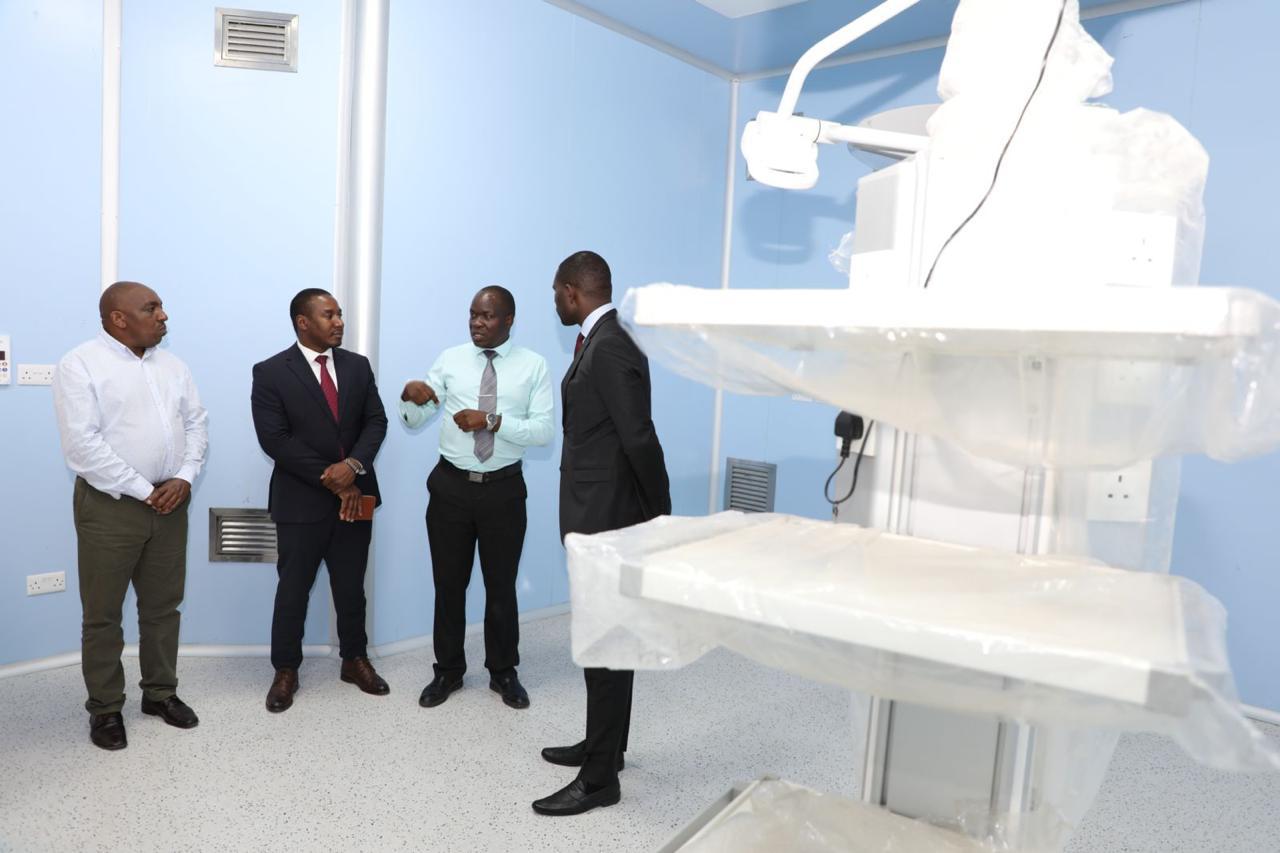
The Government of Kenya has finalized construction of the facility, marking a major milestone in the country’s quest to expand access to specialized healthcare. During a recent inspection visit, the Principal Secretary for Medical Services, Dr. Ouma Oluga, lauded the progress and reaffirmed the government’s dedication to ensuring the institute becomes fully operational soon.
“The East African Kidney Institute will greatly reduce the pressure on Kenyatta National Hospital and make life-saving treatment more accessible to kidney patients,” said Dr. Oluga.
The East African Kidney Institute is not just another hospital it is a regional center of excellence envisioned to transform kidney care and research in East Africa. Once fully equipped, the institute will host 160 beds, including 10 Intensive Care Unit (ICU) and 9 High Dependency Unit (HDU) beds. It will also feature 28 dialysis machines and facilities capable of performing advanced kidney transplants, making it one of the most comprehensive renal care institutions in the region.
Beyond treatment, the facility will serve as a training and research hub under the University of Nairobi, nurturing a new generation of kidney and urology specialists. For decades, Kenya has relied heavily on a small number of specialists and limited infrastructure to handle a growing number of renal patients a situation that has strained both public hospitals and families. EAKI is designed to bridge that gap by combining care, training, and innovation under one roof.
The institute is part of a broader East African Community (EAC) initiative to strengthen healthcare systems by establishing specialized centers of excellence in various medical fields across the region. Under this initiative, Kenya was tasked with leading kidney care, Tanzania with heart disease, Uganda with cancer, and Rwanda with biomedical sciences.
For Kenya, EAKI is a flagship project that reinforces the country’s commitment to Universal Health Coverage (UHC) the goal of ensuring that every citizen can access quality healthcare without facing financial hardship.
Kidney disease remains one of the most costly and emotionally draining chronic conditions in Kenya. Many patients rely on dialysis, often three times a week, with each session costing thousands of shillings. Others have had to travel abroad, especially to India, for transplants journeys that come with immense financial and emotional strain.
Once operational, EAKI is expected to serve not just Kenya but the entire East African region, offering referral, training, and research services for both patients and health professionals. It will also help reduce the outflow of patients seeking care abroad, saving millions in medical tourism expenses.
As the final touches are put in place, the East African Kidney Institute stands as a powerful statement of Kenya’s growing medical capacity and its determination to bring specialized care closer to the people.
For thousands living with kidney disease, the completion of EAKI is more than just a government project it is a lifeline, a promise fulfilled, and a sign that a healthier future is within reach.