



The African Population and Health Research Center (APHRC) has launched a significant four-year research initiative, the ‘Addressing the Commercial Determinants of Health in Sub-Saharan Africa’ (ACCORDS) study, to investigate how the key drivers of these harms including alcohol, ultra-processed food, and fossil fuel industries influence public health in Kenya.
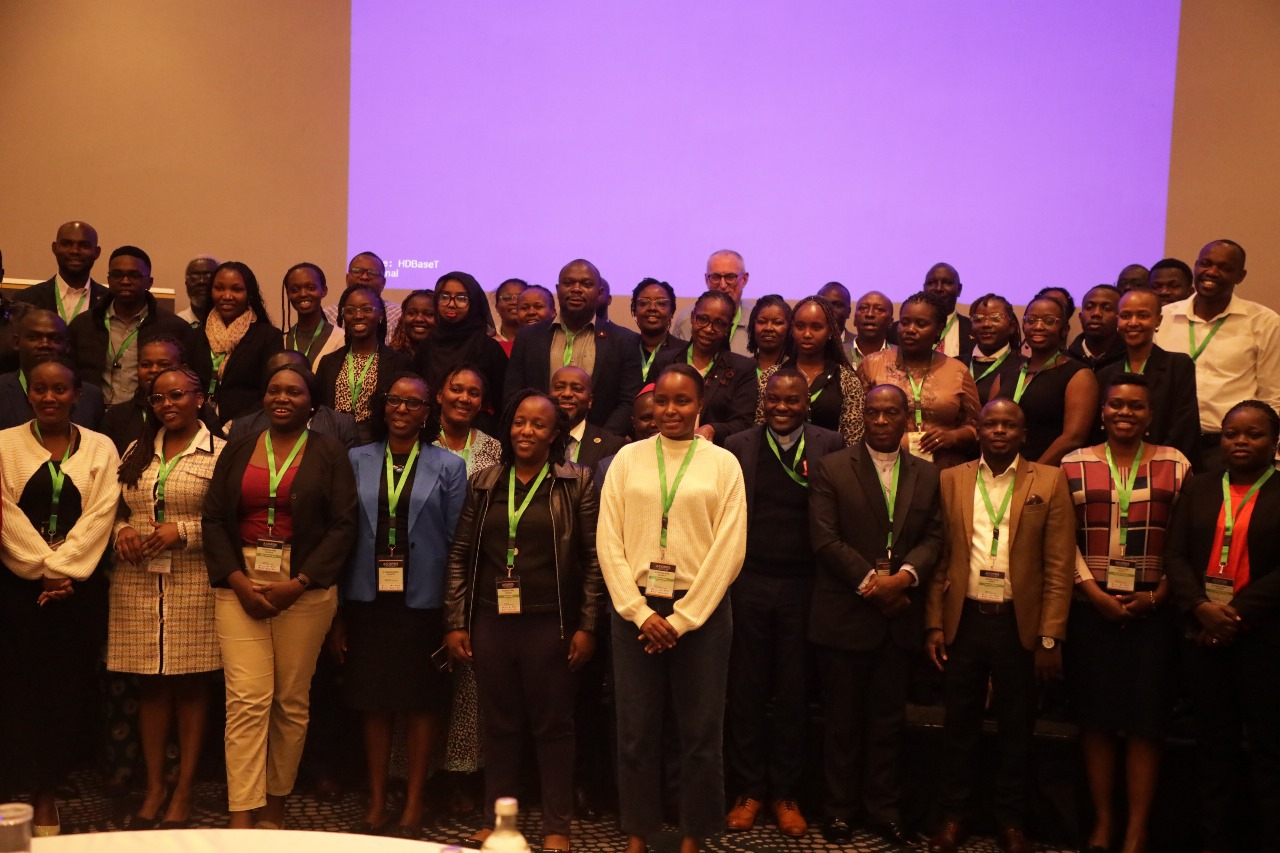
During the ACCORDS stakeholders’ consultative workshop, organized by the National Council of Churches of Kenya (NCCK) and African Population and Health Research Center (APHRC), Ministry of Health officials underscored the severity of the Non-Communicable Diseases (NCDs) crisis in the country, attributing it to the growing dominance of unhealthy commodity industries, poor dietary habits, lack of physical activity and fossil fuels.
Veronica Kirogo, Head of Nutrition and Dietetics at the Ministry of Health, affirmed that every health intervention must be evidence-informed to tackle the growing NCD burden.
She said that the Ministry is actively strengthening food environment policies to address the root causes of NCDs, focusing on restricting access to and marketing of ultra-processed and fast foods.
“Half of our women of reproductive age are overweight, which means they are at high risk of NCDs,” Kirogo said. “Every health intervention must be evidence-informed, and that’s why partnerships like the APHRC ACCORDS project are critical in generating the data needed to guide policy and programming.”
Kirogo said that the governmental and civil society have collaborated to come up with food policies culminating to the launch of the Kenya Nutrient Profile Model this year, a collaboration between the Ministry of Health, International Institute of Legislative Affairs (IILA), National Council of Churches Kenya (NCCK), and APHRC, to provide a scientific basis for regulating unhealthy foods.
Kirogo applauded civil society and research institutions of their contributions in development of front-of-pack nutritional labelling and marketing regulations to protect children. Helping in creating public food procurement policies to mandate healthy meals in hospitals, schools, and correctional facilities and updating the 2015 legal notice on the elimination of industrially produced trans fats.
Kirogo emphasized that partnerships like the ACCORDS project are critical for generating the data needed to guide policy and programming against powerful commercial interests.
Ruth Muia, Head of Nursing Services at the Ministry of Health, noted that Kenya is rapidly transitioning from infectious diseases to NCDs due to changing lifestyles and urbanization.
The NIHR-funded ACCORDS initiative is a collaboration between institutions from Kenya, Ghana, South Africa, and the United Kingdom.
Dr. Gershim Asiki, Senior Research Scientist at APHRC, highlighted the global urgency, noting that 85percent of premature deaths due to NCDs occur in low-income countries.
He warned that over 50percent of all health conditions and hospital admissions are now linked to NCDs.
Dr. Asiki observed that industries producing foods high in salt, sugar, and fat are expanding rapidly, often under the guise of investment promotion.
“While we think we are promoting investment, we are actually undermining national productivity,” he warned.
Prof. Jeff Collin of the University of Edinburgh stated the project aims to build evidence for regulating unhealthy industries, improve governance through conflict-of-interest management, and promote community empowerment.
The research will be implemented through four main packages with the first phase being the Context Analysis with the study documenting evidence on the health impacts of commercial determinants across sub-Saharan Africa through reviews and analysis of corporate board linkages.
Another phase will be the Governance Analysis where the study will assess policy coherence, conflict-of-interest management, and the interaction between government ministries and health-impacting industries.
It will also look into the Economic Modelling and Market Trends where the study will examine market structures, economic impacts, and industry dominance in unhealthy commodity sectors.
The study will also center on Participatory research and equity analysis where Stakeholder and Public Engagement will help translate research into policy action through participatory approaches like crowdsourcing and Photovoice to capture community experiences.
A recent APHRC study of 500 schools across Kenya already revealed that Over 50percent of advertisements targeting theses children promote ultra-processed foods contributing to diet-related health conditions, directly linked to aggressive marketing of unhealthy foods to children via television, radio, and social media.
The ACCORDS project aims to strengthen policymaking, regulatory frameworks, and community action to ensure Kenya develops evidence-based policies that promote wellness and protect citizens from harmful commercial influence.