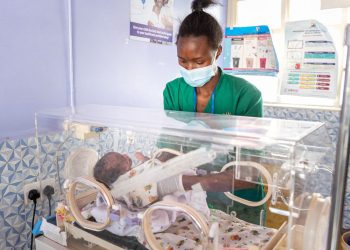





A leading global pharmaceutical company, Boehringer Ingelheim is partnering with several organisations in fighting the rising cases of diabetes and hypertension which kill more than 20,000 people annually in Kenya.
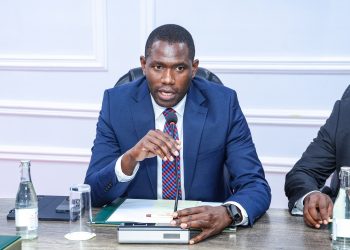
Speaking in Nairobi, Boehringer Ingelheim’s head of sustainable development for generations (IMETA) Hale Erkol says the Access to Healthcare (ATH) programme initiative—which was launched in Kenya in 2022—is providing treatment as well as quality and cost-effective medicines to poor patients suffering from diabetes and hypertension.
Ms Hale notes that more than 142,000 patients had been enrolled in the pilot programme while another 8,400 more were enrolled last year.
“We are partnering with several organisations among them Ampath, Lions Eye Hospital, MEDS and Zuri health in providing an end-to-end patient centric programme to underserved communities in various parts of the country.
“We aim to bridge the existing critical gaps through innovative, community-based interventions in fighting the increased cases of the Non-communicable diseases.”
Experts have identified diabetes and hypertension as significant health concerns in Kenya which pose challenges to the healthcare system with NCDs accounting for more than 50 per cent of total hospital admissions and over 55 per cent hospital deaths.
According to the Kenya STEPwise survey (2015) approximately 35 per cent of adults (aged 18-69) years have hypertension while 6.5 per cent have diabetes.
Adoption of unhealthy lifestyles such as physical inactivity, consumption of unhealthy diets, stress, urbanisation, smoking, high alcohol consumption as well as obesity are some of the risk factors fuelling the increase in the NCDs.
According to experts, although NCDs affect people from different social and economic backgrounds, those from informal settlements are the most affected due to their inability to access quality care and treatment.
Boehringer Ingelheim’s Sub-saharan head (product management), Dr George Kuria says since the programmme was launched more than 180,000 people had been sensitised at the community level on how to prevent the NCDs while those already afflicted had been treated.
“Our emphasis is encouraging people to embrace healthy lifestyles as prevention remains key in the fight against the NCDs…
“We also encourage communities to adopt a culture of health seeking behavior,” Dr Kuria added.
A Lions Eye Hospital medic, Dr Rilwan Adan described diabetes and hypertension as “highly individualistic” diseases and urged people—especially those with obesity—to strive to loss weight.
“Loss of weight, for example, leads to a reduction in the number of medicines prescribed to an individual suffering from the NCDs.
“The International Diabetes Federation has projected that by 2045, Africa region will experience the highest increase in cases of diabetes globally with upto 114 per cent increase.”
The latest IDF Atlas (2025) reports that 11.1 per cent—or one in nine—of the adult population (20-79 years) is living with diabetes, with over four in 10 unaware that they have the condition.
By 2050, IDF projects that one in eight adults—approximately 853 million, will be living with diabetes, an increase of 46 per cent.
According to experts, over 90 per cent of people with diabetes have type 2 diabetes, which is driven by socio-economic, demographic, environmental and genetic factors.
Zuri Health’s chronic disease management (product manager), Dr Antony Ndegwa urged Kenyans to seek early diagnosis for all types of diabetes and hypertension in order to avoid or delay complications.