




Kenya’s County First Ladies are signaling a major escalation in their fight against poverty, disease, and inequality.
The County First Ladies Association (CFLA) this week launched its 2025–2028 Strategic Plan, a bold, four-year road map aimed at transforming the landscape of health, education, economic empowerment, and climate resilience across all 47 counties.
The occasion was graced by Her Excellency Rachel Ruto, the First Lady of the Republic of Kenya, who served as Chief Guest, underscoring the national significance of the county-based initiative.
Rachel Ruto described county first ladies as influential champions for women, children, and vulnerable communities rights adding that the newly launched strategic plan represents a major step in institutionalizing their work and strengthening their collective voice in Kenya’s development agenda.
Speaking at the launch, CFLA Chairperson H.E. Alamitu Guyo Jattani, the First Lady of Marsabit County, described the strategy as a bold, people-driven road map designed to respond to the evolving needs of communities across the country.
“Our goal is to ensure no woman, youth, or child is left behind,” Jattani said adding that,”This Strategic Plan responds to their evolving needs and signals that we will do even more.”
While Fred Were,Professor of Paediatrics and Child Health and Chief Executive Director and Researcher at the Kenya Paediatric Research Consortium (KEPRECON), a long-time partner with CFLA, noted that the First Ladies have quietly emerged as key influencers in Kenya’s community development space through successful campaigns in maternal health and cancer screening.
“Kaprecon have collaborated with CFLA in their programmes ranging from maternal health campaigns and cancer screenings to mentorship initiatives and efforts to curb gender-based violence which have touched thousands of lives.”
Behind the statistics are powerful human stories mothers who survived childbirth, girls who stayed in school, teenage mothers who returned to class, and survivors of gender-based violence who finally received support and justice.
The new strategy seeks to expand these gains and build systems that outlast political cycles.
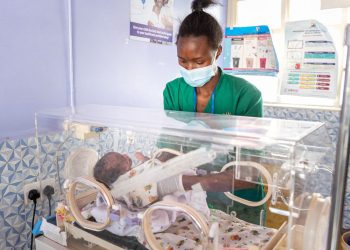
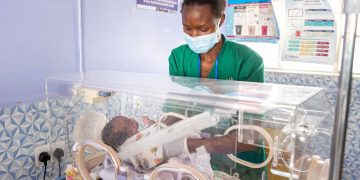
Health remains the backbone of the new plan. CFLA prioritizes maternal and child health services, including expanded access to family planning, immunization, nutrition programmes, and adolescent sexual and reproductive health.
A major focus will be the scaling up of cancer and NCD screening, building on the success of EMPOWER Clinics, which have already reached 18 counties. With Kenya battling rising cancer rates, the First Ladies say early detection and community sensitization will be crucial in saving lives.
In education, the strategy aims to address inequities that continue to disadvantage children in arid, rural, and informal settlements. Key interventions include mentorship programmes for adolescents, support for school re-entry among teenage mothers, and increased advocacy for girls’ participation in STEM and technical training.
Existing initiatives such as school milk programs, kitchen gardens, and menstrual hygiene support already proven to improve attendance and learner well-being will be strengthened and expanded.
Gender-based violence (GBV) remains a national crisis, and the First Ladies have placed the issue at the center of their agenda. The strategy outlines intensified efforts to eliminate FGM, child marriage, widow disinheritance, and other harmful cultural practices.
Equally, it calls for stronger advocacy against domestic violence, rape, and femicide, paired with community dialogues that foster dignity, respect, and gender equity.
To support household resilience, the plan scales up financial literacy and entrepreneurship programmes targeting women, youth, and persons with disabilities. Deeper partnerships with banks and microfinance institutions will help expand access to microcredit and small business financing.
Recognizing the threat of climate change to community livelihoods, CFLA also commits to championing climate-smart agriculture, water conservation, tree growing, and county-level climate policies that directly link environmental sustainability to health.
Internally, the strategy focuses on making CFLA a stronger, more professional institution. This includes improvements to governance, financial management, monitoring and evaluation systems, and expanding the national Secretariat to support county-level programme delivery.
“Our strength lies in our unity across all 47 counties and in the partnerships that amplify our work,” Jattani said.
The First Ladies used the launch to rally partners county governments, civil society, faith-based organizations, development agencies, and the private sector to join hands in implementing the strategy.
They underscored that real impact will require collaboration, co-creation, and sustained investment.
“We call on all stakeholders to work with us as co-creators of solutions and to use CFLA as a trusted platform to reach the most vulnerable with dignity and impact.”
The unveiling of the 2025–2028 Strategic Plan marks a new chapter for the County First Ladies. What began as scattered county initiatives has evolved into a coordinated national movement committed to long-term transformation.
As Kenya continues to confront widening inequality, climate shocks, and persistent health challenges, the CFLA’s renewed focus on sustainable, community-rooted programmes positions the group as an essential ally in promoting inclusive development.