

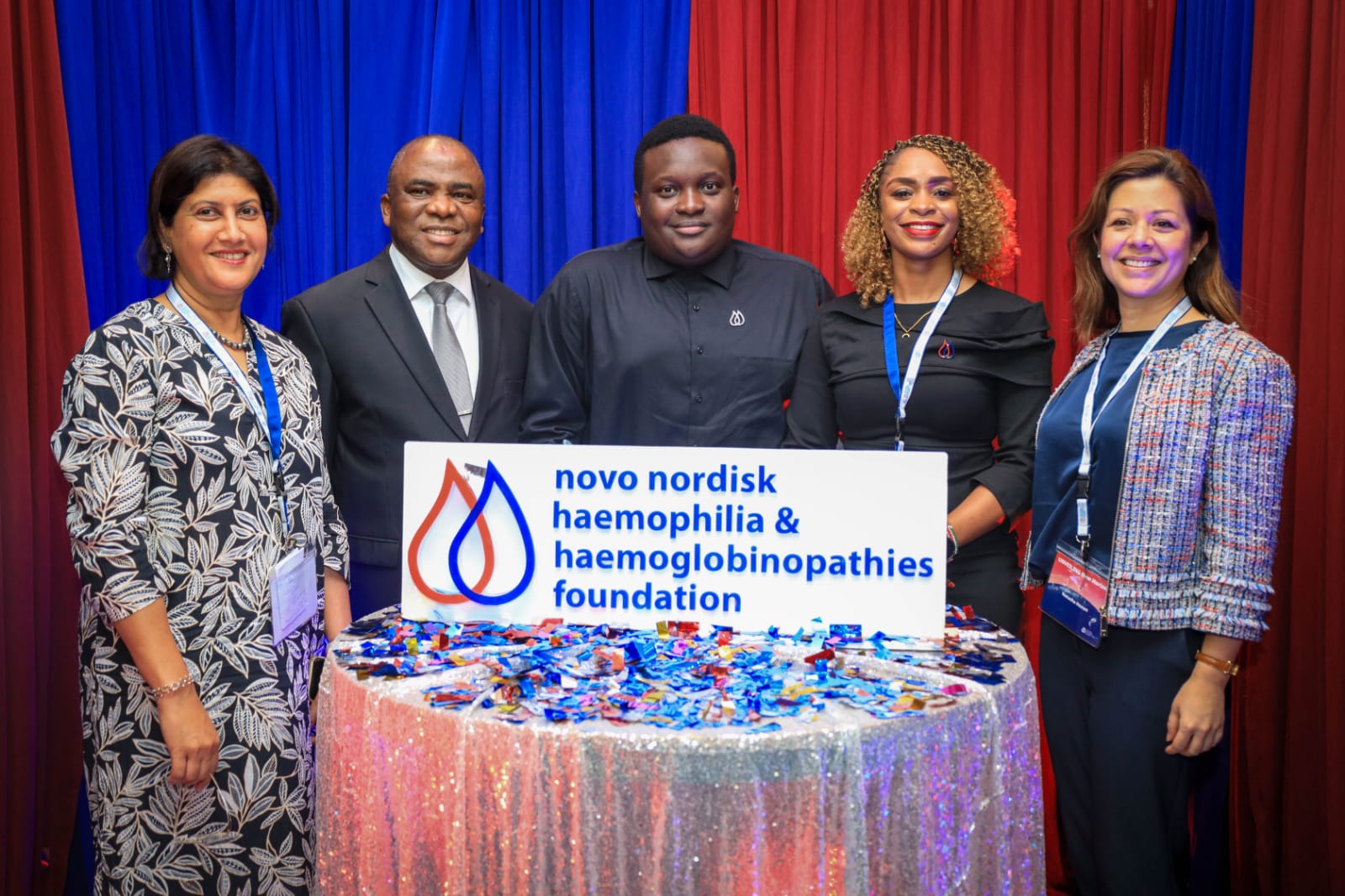
The Novo Nordisk Haemophilia Foundation (NNHF) has broadened its mandate to include haemoglobinopathies—specifically sickle cell disease (SCD) and thalassemia—marking a significant shift in its global health strategy. The expansion comes with a new name, the Novo Nordisk Haemophilia and Hemoglobinopathies Foundation, reflecting the clinical linkages and shared systemic challenges affecting these conditions.
Africa, home to the majority of the global burden of sickle cell disease, remains central to the Foundation’s work. NNHF currently supports programmes in at least 28 African countries and aims to deepen collaboration to build resilient, locally driven care systems. Over the past two decades, the Foundation has focused on haemophilia care in low- and middle-income countries; the broadened mandate signals a more integrated approach.
According to the World Health Organization, 300,000–400,000 children are born with SCD in Africa each year, accounting for about two-thirds of global cases. Despite this burden, access to diagnosis and treatment remains limited, with many children dying before the age of five from preventable complications.
In her remarks, Natasha Honan, Senior Advocacy & Communications Manager at NNHF, said the Foundation aims to improve care for more than 10 million people living with haemoglobinopathies, with a strong emphasis on Africa. Supported by a new funding partnership with the Novo Nordisk Foundation—and sustained backing from Novo Nordisk—NNHF plans to reach at least 100,000 beneficiaries by 2030.
Honan outlined a strategy centred on data-driven advocacy, strengthening diagnostics, training healthcare workers, and aligning national policies to ensure sustainable, locally led care models.
Emma Muraguri of the Novo Nordisk Foundation highlighted the Foundation’s expanding portfolio, which includes investments in cardiometabolic diseases, antimicrobial resistance technologies, and food systems. She pointed to major achievements in East Africa and India—including new centres of excellence and expanded diagnosis programmes—describing scalability, partnership, and data-driven advocacy as core pillars for lasting impact.
Representing Kenya’s Ministry of Health, Dr Yvette Kisaka reaffirmed the government’s commitment to improving care for SCD and haemophilia. She noted the development of updated national guidelines, increased access to essential medicines such as hydroxyurea, and the launch of a pilot newborn screening programme in five counties.
From Africa CDC, Dr Adelard Kakunze highlighted the continental framework aimed at ensuring early diagnosis, quality care, and equitable access. The plan seeks to achieve 70% newborn screening coverage by 2035, expand human resource capacity, and strengthen data surveillance systems.
Dr Adiele Oyenze, Officer-in-Charge at WHO Kenya, underscored the urgency, noting that despite effective, low-cost interventions, many children with SCD in Africa die before age five. He added that haemophilia remains severely underdiagnosed, with only 9% of cases identified globally. Strengthened laboratory systems, cross-country collaboration, and improved access to essential medicines are essential, he said.
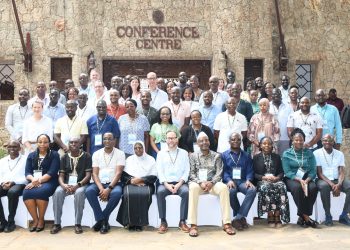
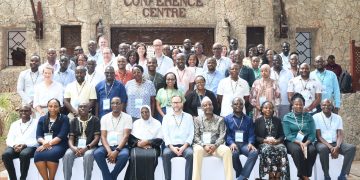
The event brought together stakeholders from English-, Portuguese-, and French-speaking African countries, including government representatives, clinicians, patient organisations, and caregivers. Their participation signals a united commitment to advancing integrated care for people living with haemophilia, SCD, and thalassemia across the continent.
As NNHF adopts its expanded mandate, the Foundation aims to support at least 15 countries—most of them in Africa to achieve self-sufficiency in haemophilia care, while piloting integrated models that jointly address haemophilia and sickle cell disease in high-burden settings.