

For decades, haemophilia has lived quietly in the shadows of Africa’s health systems—underdiagnosed, poorly understood, and often fatal when care is delayed.
Sickle cell disease, though far more common, has followed a similarly painful path, claiming thousands of young lives despite the availability of simple, low-cost interventions.
Now, a major shift in global health philanthropy is signalling renewed hope for millions living with these conditions across the continent.
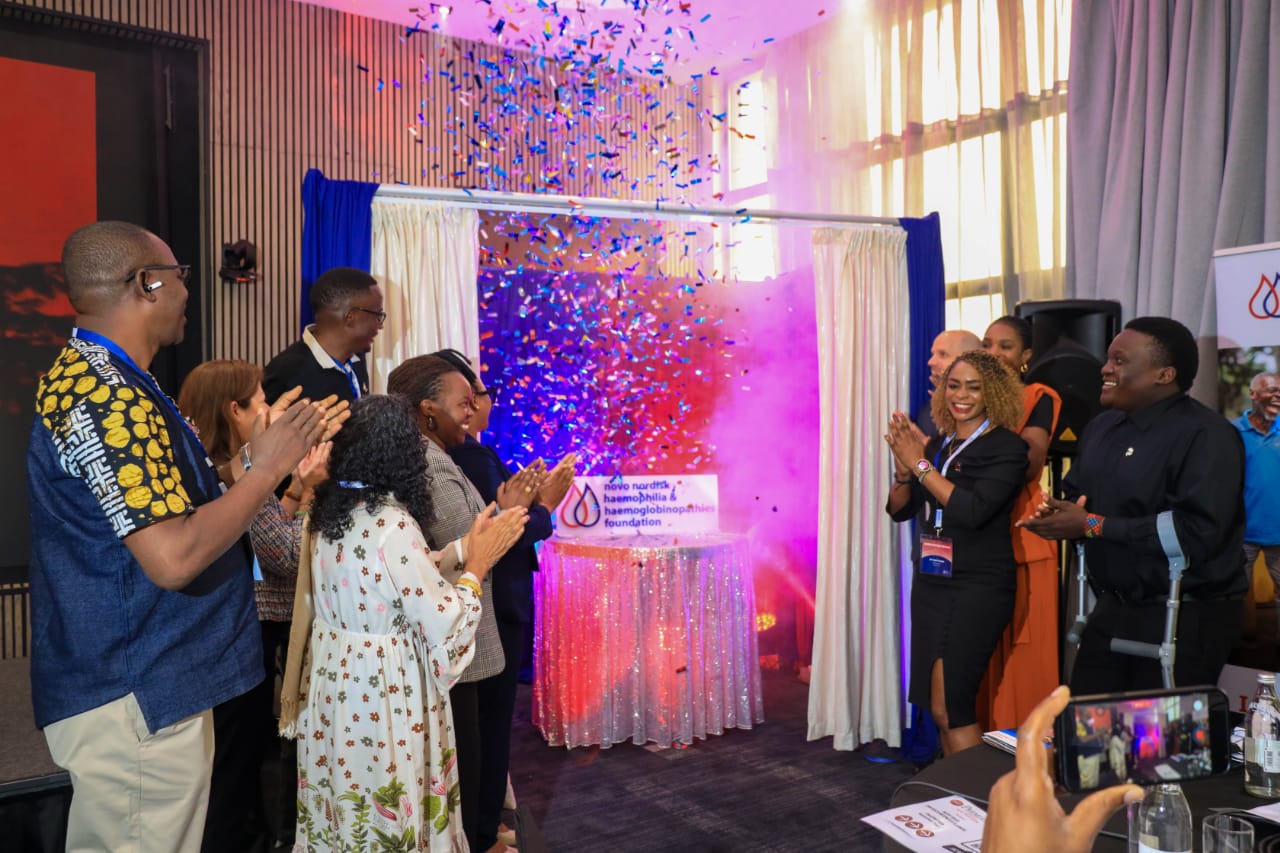
The Novo Nordisk Haemophilia Foundation (NNHF) has officially expanded its mandate to include haemoglobinopathies—specifically sickle cell disease (SCD) and thalassemia—marking a significant evolution in its mission and scope. With the change comes a new name: the Novo Nordisk Haemophilia and Hemoglobinopathies Foundation (NNHF), reflecting a more integrated approach to blood disorders that share common clinical and systemic challenges.
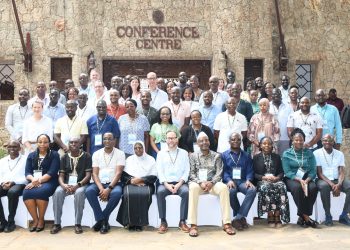
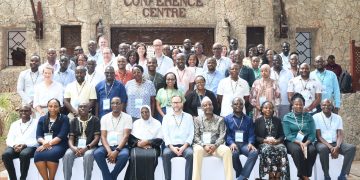
Announced in Nairobi, the move underscores Africa’s central place in the Foundation’s work. Of the more than 28 countries where NNHF runs programmes, the majority are on the African continent. Over the past 20 years, the Foundation has supported haemophilia care in low- and middle-income countries, helping build diagnostic capacity, train health workers, and strengthen national treatment systems.
Now, that experience will be extended to conditions that carry an even heavier burden in Africa.
According to the World Health Organization (WHO), between 300,000 and 400,000 children are born with sickle cell disease in Africa every year—nearly two-thirds of the global total. Many of these children die before their fifth birthday, often from preventable complications such as infections and severe anaemia.
“This evolution is about recognising synergies,” said Natasha Honan, Senior Advocacy and Communications Manager at NNHF. “Haemophilia and haemoglobinopathies face similar barriers—late diagnosis, limited access to essential medicines, weak data systems, and insufficiently trained health workers.”
Honan noted that the Foundation now aims to improve care for more than 10 million people, primarily in low- and middle-income countries, with Africa as a core focus. With new funding from the Novo Nordisk Foundation (NNF), alongside continued support from Novo Nordisk, NNHF plans to scale up its reach to 100,000 direct beneficiaries by 2030.
The strategy, she explained, will prioritise data-driven advocacy, expanded diagnostics, workforce training, and policy alignment to ensure sustainable, locally led care. “Our goal is self-sufficiency—strong national systems that can stand on their own,” she said.
Representing the Novo Nordisk Foundation, Emma Muraguri highlighted the organisation’s broader health and development portfolio. Historically rooted in insulin production, NNF today supports research and initiatives across diabetes, cardiometabolic diseases, food systems, and antimicrobial resistance.
In Africa, Muraguri said, NNF has backed high-impact projects in East Africa and India, helped establish centres of excellence, and supported expanded diagnosis of chronic conditions. “We focus on scalability, strong partnerships, and using data to drive systemic change,” she said.
That emphasis on systems resonated strongly with national and continental health leaders present at the meeting.
Dr Yvette Kisaka, representing Kenya’s Ministry of Health, reaffirmed the government’s commitment to improving care for both sickle cell disease and haemophilia. She pointed to ongoing efforts to update national guidelines, pilot infant screening programmes in five counties, and expand access to essential medicines such as hydroxyurea.
“Alignment is critical,” Dr Kisaka said. “Partners must work within national priorities if programmes are to be sustainable.”
At the continental level, Dr Adelard Kakunze, Technical Officer at Africa CDC, outlined the organisation’s ambitious plan for sickle cell disease. Built around eight strategic pillars—including governance, prevention, integrated health systems, financing, and data surveillance—the plan aims to achieve 70 percent newborn screening by 2035, expand the skilled workforce, and strengthen national data systems.
From the global health perspective, Dr Adiele Oyenze, Officer-in-Charge at WHO Kenya, described the Foundation’s expanded focus as both timely and necessary. He noted that while sickle cell disease is widespread, haemophilia remains largely invisible, with only about 9 percent of cases diagnosed worldwide.
“Effective, low-cost interventions exist,” he said. “But without early diagnosis, access to medicines, and collaboration across countries, too many lives will continue to be lost.”
Beyond policy frameworks and funding commitments, the urgency of the Foundation’s expanded mission is best understood through the lives of those affected.
For Silas Kiprono, now 32, sickle cell disease shaped his childhood long before he understood its name. He remembers constant routines—daily medication, warm water during illness, and a sweater he was never allowed to remove, even on sunny days.
“I didn’t understand it then,” he recalls. “I just followed instructions.”
It was only years later, during repeated hospital admissions in his youth, that Silas began to understand why pain came suddenly, why cold worsened his condition, and why lifelong medication mattered. Joining a sickle cell support group changed everything. For the first time, he met others who shared his experiences.
“I realised I’m not abnormal,” he says. “I’m just living with a condition.”
Today, Silas is an advocate, calling for newborn screening for sickle cell disease to be included in Kenya’s routine maternity care and for hydroxyurea to be affordable and available at all levels of the health system. No patient, he argues, should have to travel hundreds of kilometres for life-saving medicine.
Similarly, Humphrey Haji Luvumbi, 28, has lived his life navigating the invisible dangers of haemophilia. A minor cut could mean hours of bleeding. A childhood football injury once left him hospitalised for four months and undergoing four surgeries.
Yet, through resilience and community support—including assistance from NNHF—Humphrey found strength in education, poetry, and advocacy. Today, he speaks openly about haemophilia, challenging stigma and pushing for greater awareness.
“Haemophilia is not just a medical condition,” he says. “It’s a lived reality.”
As NNHF expands its vision to include haemoglobinopathies, Africa’s role remains pivotal. The continent bears the heaviest disease burden, yet also holds the greatest opportunity for impact through early diagnosis, integrated care, and strong national leadership.
The Foundation’s ambition—to achieve self-sufficiency in haemophilia care in at least 15 countries and to explore integrated management of haemophilia and sickle cell disease across high-burden nations—signals a shift from fragmented projects to long-term system building.
For patients like Silas and Humphrey, and for thousands of families still searching for answers, that shift could mean the difference between survival and loss.
And for Africa, it marks another step toward reclaiming ownership of its health future—one diagnosis, one policy, and one life at a time.