


For millions of women and girls across sub-Saharan Africa, routine daily tasks fetching water, washing clothes, bathing in freshwater lakes and rivers expose them to a hidden and devastating disease.
According to Dearie Okwu, Lead of the Parasitic Worms Programme at Drugs for Neglected Diseases initiative (DNDi), the danger is not the waters depth or current, but a microscopic parasite that causes female genital schistosomiasis (FGS), one of the most neglected, misunderstood, and invisible diseases affecting women’s sexual and reproductive health today.
On World NTD Day, marked every year on 30 January, as progress against neglected tropical diseases is celebrated, female genital schistosomiasis (FGS) stands out as one condition still left behind.
An estimated 56 million women and girls are living with FGS, according to the Drugs for Neglected Diseases initiative (DNDi). Yet the condition remains largely absent from health policies, funding priorities, and routine reproductive healthcare despite its profound physical, social, and psychological consequences.
“FGS is a disease hidden in plain sight,” says Okwu. “We know who it affects, how it happens, and while we can treat the underlying infection, the painful lesions and inflammation often persist yet women continue to suffer in silence.”
She explains that FGS is caused by Schistosoma haematobium, a parasitic worm transmitted through contact with contaminated freshwater. When women and girls enter rivers or lakes, the parasite penetrates the skin and migrates through the bloodstream, eventually lodging in the pelvic region. There, the immune system’s reaction to the parasite’s eggs triggers chronic inflammation, lesions, and lasting damage to the cervix, uterus, and vagina.
But FGS rarely announces itself clearly. Its symptoms pelvic pain, genital itching, abnormal bleeding, painful sex closely resemble those of sexually transmitted infections (STIs). In under-resourced health facilities across endemic regions, where frontline workers are rarely trained to recognize FGS, women are routinely misdiagnosed, mistreated, and misunderstood.
A study by LVCT Health in Kilifi County Kenya found that 320 out of 2,000 women tested were living with FGS but had instead been treated for STIs despite FGS not being sexually transmitted. The consequences of this confusion are devastating.
“Misdiagnosis doesn’t just delay care,” Okwu explains. “It fuels stigma, mistrust in health systems, and social harm.”
“Imagine a 14-year-old schoolgirl seeking medical care for symptoms that closely mimic those of sexually transmitted infections, accompanied by her parent. When she is informed of the diagnosis which sometimes is incorrect, what is the parent likely to think?”
“Similarly, she adds, “consider a married woman seeking treatment, confident that she has been faithful in her marriage, only to be told she has an STI while her husband has none. What consequences could this lead to?”
The injustice runs deeper still. Research shows that women with FGS-related lesions are up to three times more likely to acquire HIV, as damaged genital tissue provides an easier entry point for the virus. There is also growing evidence linking chronic FGS-related inflammation to cervical cancer.
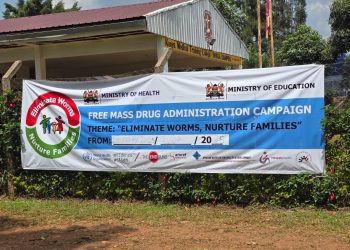
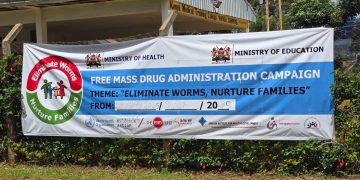
Yet despite these risks, access to care remains limited. Praziquantel, a safe and effective drug, can treat schistosomiasis and prevent FGS progression. But because schistosomiasis has long been framed as a childhood disease, treatment is primarily delivered through school-based programmers excluding adult women and out-of-school adolescent girls, who face the greatest burden.
Diagnosis poses another barrier. Identifying FGS often requires tools such as colposcopies and specialised healthcare worker training resources that are rarely available in the primary healthcare facilities serving endemic communities.
In Kenya, the challenge is acute. According to the Kenya Medical Research Institute (KEMRI), schistosomiasis remains endemic in 62 of 290 sub-counties, particularly in the Coast region, parts of Central and Lower Eastern Kenya, and the Lake Victoria basin. Transmission is closely linked to daily domestic and economic activities involving contaminated water.
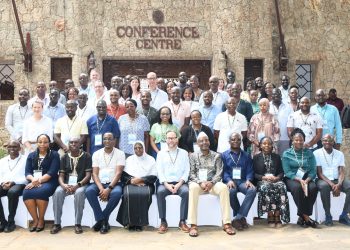
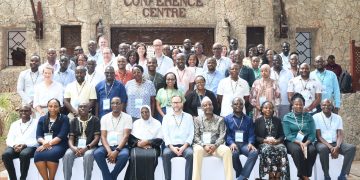
There is, however, a growing push for change. DNDi is part of the WINGS-4-FGS consortium, a four-year initiative working to dismantle the silos between neglected tropical disease programmes and sexual and reproductive health services. The effort focuses on updating medical curricula, strengthening frontline health worker capacity, and improving community awareness so that parasitic infections are no longer mistaken for moral failure or sexual misconduct.
Patriciah Jeckonia, Programme Manager for Policy and Partnerships at LVCT Health says that integration is key.
“FGS must be embedded in SRH policies and services,” she says. “That is the only way to unlock funding, improve data, and reach women with the care they need.”
She says that FGS is not just a medical issue but an issue of equity, gender, and justice. It thrives where clean water and sanitation are lacking, and it disproportionately affects women whose labour sustains households and communities.
On this World NTD Day, Okwu says, “recognizing FGS is a test of our commitment to leaving no one behind. Ending the silence around FGS and integrating it into routine reproductive healthcare could finally offer millions of women and girls what they have long been denied visibility, accurate diagnosis, and dignity.”