
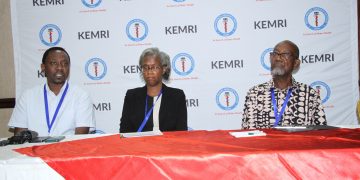


By Ms. Mary Muthoni Muriuki, Principal Secretary State Department for Public Health and Professional Standards
Cervical cancer remains a major public health concern in Kenya and its continued impact on women highlights the need for more consistent and effective application of existing prevention and treatment interventions. It is the second most common cancer among women and the leading cause of cancer-related deaths, despite the availability of effective prevention and treatment options. According to 2022 estimates by GLOBOCAN, Kenya records approximately 5,845 new cases and 3,591 deaths annually. These figures point to persistent gaps in prevention, screening, early diagnosis and access to timely and quality treatment services.
The burden of cervical cancer in Kenya is largely driven by low uptake of preventive services, delayed health seeking behavior and inequities in access to care across counties and communities. Many women continue to be diagnosed at advanced stages, when treatment options are more complex and outcomes are less favorable. Contributing factors include limited awareness, social and cultural barriers, stigma, weak referral pathways and uneven distribution of diagnostic and treatment capacity, particularly in underserved and hard-to-reach areas. Addressing these challenges requires sustained attention to both service availability and demand creation at a community level.
Cervical cancer is caused primarily by persistent infection with high-risk strains of the human papillomavirus (HPV), making it one of the most preventable forms of cancer. HPV vaccination, regular screening and early treatment of pre-cancerous lesions are proven, cost-effective interventions. In Kenya, HPV vaccination targets girls aged 10-14 years, white cervical cancer screening focuses on women aged 25-49 years, with provisions for older women based on clinical guidance and individual risk profiles. Sustained expansion of coverage across these groups remains essential to reducing incidence and mortality, particularly when services are integrated into routine primary healthcare and community outreach programmes.
Kenya’s response to cervical cancer is aligned with the World Health Organisation Global Strategy for Cervical Cancer Elimination, which sets the 90-70-90 targets to be achieved by 2030. National priorities are articulated within the National Cancer Control Strategy (2023-2027), emphasising prevention, early detection, strengthened referral systems and improved access to treatment. The launch of the national Cervical Cancer Elimination Action Plan 2025-2030 represents a critical opportunity to spur action and place Kenya on track towards achieving the 2030 interim elimination targets. Public awareness initiatives, including the annual National Cervical Cancer Awareness month commemorated each January, have supported county mobilisation and increased visibility for prevention and early detection services.
Access to care has also been strengthened through financing and system reforms. Through the Social Health Authority, the Government has expanded the Cancer Benefit Package under the Social Health Insurance Fund by removing limits on treatment cycles within the annual benefit cap and increasing the per-patient benefit from KSh 550,000 to Ksh 800,000, effective 1 December 2025. These measures are intended to improve continuity of care, reduce out-of-pocket expenditure and protect households from financial hardship often associated with cancer treatment.
In addition, Kenya’s Fee-for-Service programme reflects the Ministry of Health’s commitment to strengthening access to quality care through sustainable public-private partnerships. By equipping public health facilities with essential diagnostic and treatment equipment, the programme supports earlier diagnosis, timely treatment and improved access to services closer to communities. This approach contributes to reducing delays in care, strengthening county-level capacity and improving the overall quality and responsiveness of cancer services.
Eliminating cervical cancer in Kenya will require sustained and coordinated action across multiple sectors. Women should be supported to access regular screening and complete treatment when referred. Parents and guardians have a responsibility to ensure eligible girls receive the HPV vaccine as a critical preventive measure. County governments must continue to prioritise cervical cancer services within primary healthcare, strengthen referral and reporting systems, and ensure equitable access across all communities. Health workers, professional associations, civil society organizations and development partners each have a role in advancing prevention, improving service delivery and promoting health seeking behavior.
Equally important is the need to strengthen data systems, monitoring and accountability to track progress and guide continuous improvement. Reliable data on screening coverage, treatment completion and outcomes will support better planning and ensure that resources are directed where they are most needed. Community engagement, anchored in trust and accurate information, will remain central to sustaining demand for services and addressing misconceptions that continue to limit uptake.
With strengthened health systems, improved financing, appropriate equipment, informed communities and sustained leadership, Kenya is well positioned to significantly reduce cervical cancer deaths and move steadily towards eliminating the disease as a public health concern.


Kenya Can End Cervical Cancer Deaths




Leave a Reply


Health Business contains need-to-know features, news and case studies that explain the administrative and commercial issues affecting healthcare and hospital management. Health Business supports several high profile exhibitions - coverage of which is always timed for maximum impact. Regular topics include ICT, Finance/Funding, Facilities Management, Security, Health & Safety. Contributors range from government ministers through to top-level health administrators and association chairs.