



By David Kipkorir
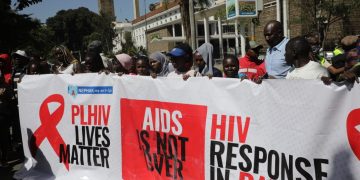
Civil society has challenged the government to live up to its commitment to fight non-communicable diseases (NCDs).
NCD Alliance Kenya (NCDAK) has demanded for high-level political commitment and immediate scaling up of actions to address NCDs epidemic, the world’s leading cause of death and ill health.
They castigated Kenya as one of the countries not making enough progress in the fight against NCDs, saying at the current rate, the country won’t achieve Sustainable Development Goals (SDGs) target for NCDs by 2030.
The alliance called on President Uhuru Kenyatta to “redouble efforts” to meet the SDGs target to reduce premature deaths from NCDs by one-third by 2030 and promote mental health and wellbeing.
“We commend President Kenyatta for showing his interest and commitment to NCDs and acknowledge his comments on the need for more financial resources in developing countries”, declared NCDAK, calling on the international community to consider creating a fund for NCDs.
The society implored the head of state to follow up on talk with action, saying there is no time to waste as everyday people die and suffer needlessly due to lack of adequate and assertive action on NCD prevention and management.
President Kenyatta was among the over 20 heads of state and governments who attended the 3rd United Nations High-Level Meeting (HLM) on Noncommunicable Diseases held in New York in September last year.
The public health advocates are looking to the president to go further and aim high as he is being counted among world leaders who demonstrated that the HLM was crucial as a pivotal moment for curbing the enormous burden of cancer, diabetes, cardiovascular disease, chronic lung cancer disease and mental health disorders on people and communities.
“Our people are dying, people of all ages are sick and struggling to live long, comfortable healthy lives. Some much of this suffering from NCDs is avoidable, and while steps have been taken in Kenya, we are still waiting for more,” said Dr. Eva Njenga, chairperson of NCD Alliance Kenya.
Reacting to the sentiments by the civil society advocates, the Head of Non-communicable Diseases at Ministry of Health Dr. Joseph Kibachio said the prevention and control of NCDs is a top priority in Kenya.
He assured the alliance and people living with NCDs that the government had stepped up its commitment to fight the scourge in collaboration with other partners and government agencies.
Dr. Kibachio said the ministry is working to reduce smoking, to make peoples’ diets healthier, to stop alcohol abuse and make people more physically active in by exchanging information and sharing experiences on NCDs, building networks and through data collection and analysis of cardiovascular and other diseases.
The alliance called for policies and investment that will make a difference in the lives of millions of people. They demanded for committed leadership.
The civil society revealed that NCDs account for 27 percent deaths among Kenyans below the age of 70.
“We find it alarming that not only is Kenya off track to meet the targets but that it doesn’t need to be. 30,900 lives could be saved by embracing evidence-based policy options,” said David Makumi, vice chair of NCD Alliance Kenya.
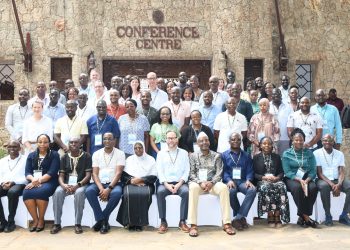
The stakeholders spoke during a meeting to disseminate the Political Declaration of the Third High-Level Meeting of the General Assembly on the Prevention and Control of Non-communicable Diseases and discuss the way forward for Kenya to accelerate the response to address NCDs for the health and well-being of present and future generations.
NCDAK said Kenya could do more on alcohol policy or promoting physical activity.
“Kenya could do a great deal to reverse alcohol-related NCDs and other harms to health and development by implementing Best Buys to meet WHO and Global Goals targets to reduce harmful use of alcohol and premature mortality from NCDs by 2030.”
A statement signed by over 350 global organisations, including NCD Alliance Kenya, people living with NCDs and experts criticized the ‘weak’ stance on accountability for commitments already made, absence of ambition and strengthened commitment to financing mechanisms.
They called the meeting a lost opportunity adding that leaders who neglect to make significant investments in NCDs are failing their citizens and will be responsible for untold suffering and loss of life.
According to World Health Organisation (WHO), cancer, diabetes, lung and heart diseases kill 41 million people annually, accounting for 71 percent of all deaths globally, 15 million of which occur between the ages of 30 and 70 years.
NCDAK is a not-for-profit organisation that seeks to comprehensively and sustainably address the rising burden of NCDs in Kenya by acting as a coordinating and strengthening body.