



AIDS Healthcare Foundation (AHF) has warned that a new wave of preventable outbreaks of HIV, and other STIs, along with unplanned pregnancies, particularly among young people and vulnerable populations may rise due to the current free condom shortage being experienced in the Country.
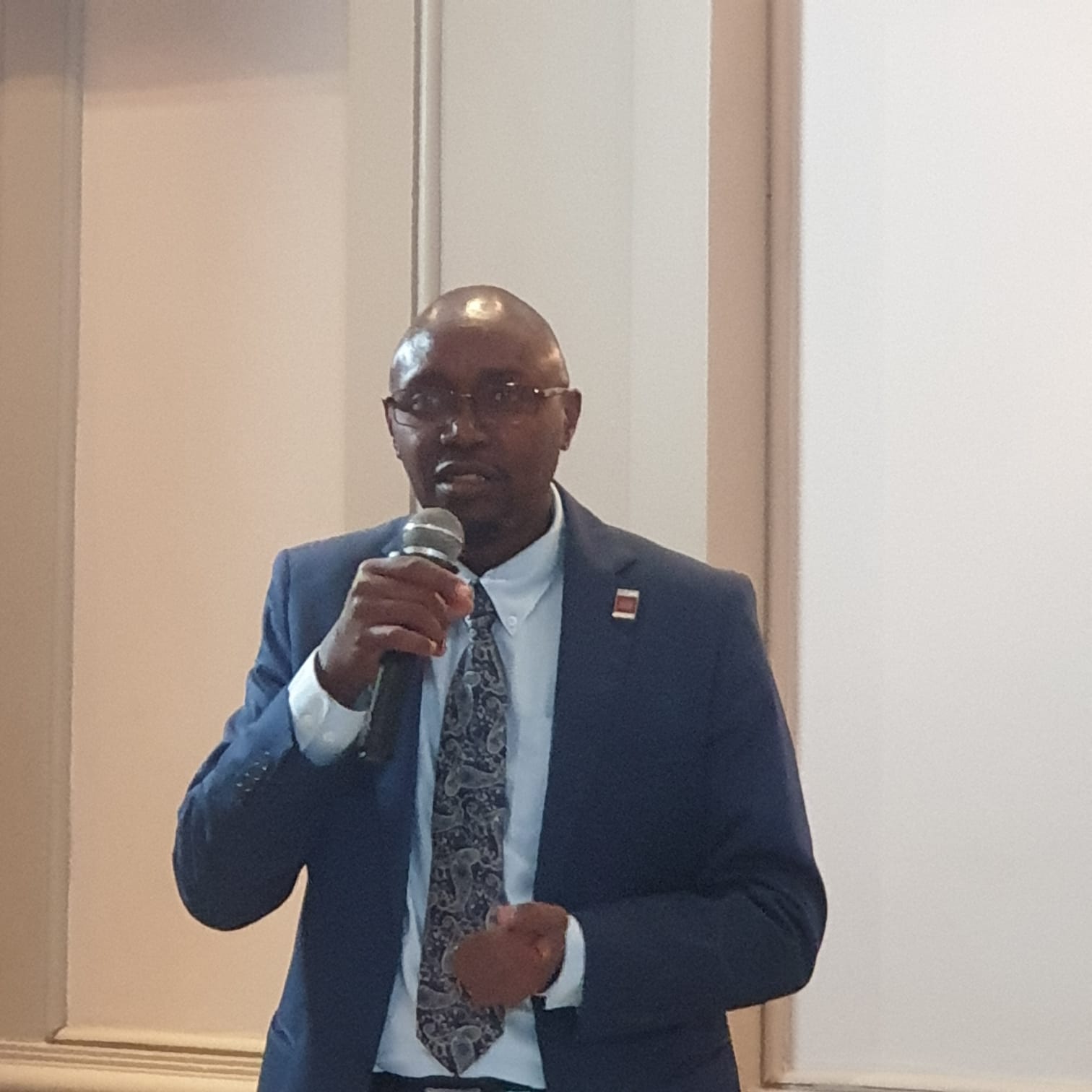
According to Dr. Samuel Kinyanjui, AHF Kenya Country Program Director, the condom distribution in Kenya has been affected since 2022 because of the Tax requirement by the government.
“Condoms should not be taxed as medical devices as it prevents civil societies like AHF and other HIV/AIDS advocates from importing those commodities. We give away condoms free of charge—we should not have to pay the government money to help Kenyans stay healthy,” he said.
Condoms were categorized as a medical device rather than a medical supply therefore attracting the 16 percent added tax.
Condoms are usually imported by Kenya government, civil society organizations and other HIV/AIDS advocates and distributed for free but due to taxes imposed on the commodity most donors are no longer providing Kenya with free condoms Kinyanjui said.
Kenyan Government was procuring 150 million pieces against a forecasted demand of 262 million and the remaining gap filled by donors through various non-governmental organizations.
“AHF propose that the government adopt and support a whole-market approach to its condoms policies and suggest that, of the total needed condoms, 50 percent go toward free and non-taxed distribution for lower-income people while 40percent be socially marketed at low cost and tax. The remaining 10 percent can be allocated for the premium market but with no government incentives attached.”
Most condom dispensers in the health facilities, hotels, offices, universities, colleges and restaurants that were previously able to provide these products to their customers no longer have free condoms.
Dr Kinyanjui also revealed shortages of HIV test kits saying most of the testing facilities are reserving the kits for high-risk population.
“9 out of 10 people who are in need of testing cannot access it, it is difficult to walk into any facility and get tested of HIV, “he said.
According to Janet Musimbi, National Syndemic Diseases Council, youth and adolescent program officer, Kenya has the seventh highest number of people living with HIV in Africa with estimated 61 HIV infections every day, of much concern is that four percent of People living with HIV are not on put treatment.