

Tuberculosis (TB) remains one of biggest public health challenge in the world, with Kenya ranking among the world’s 30 high-burden nations.
However, despite decades of progress, TB continues to claim lives and strain Kenya’s public health system with more than 250 cases reported per 100,000 people.
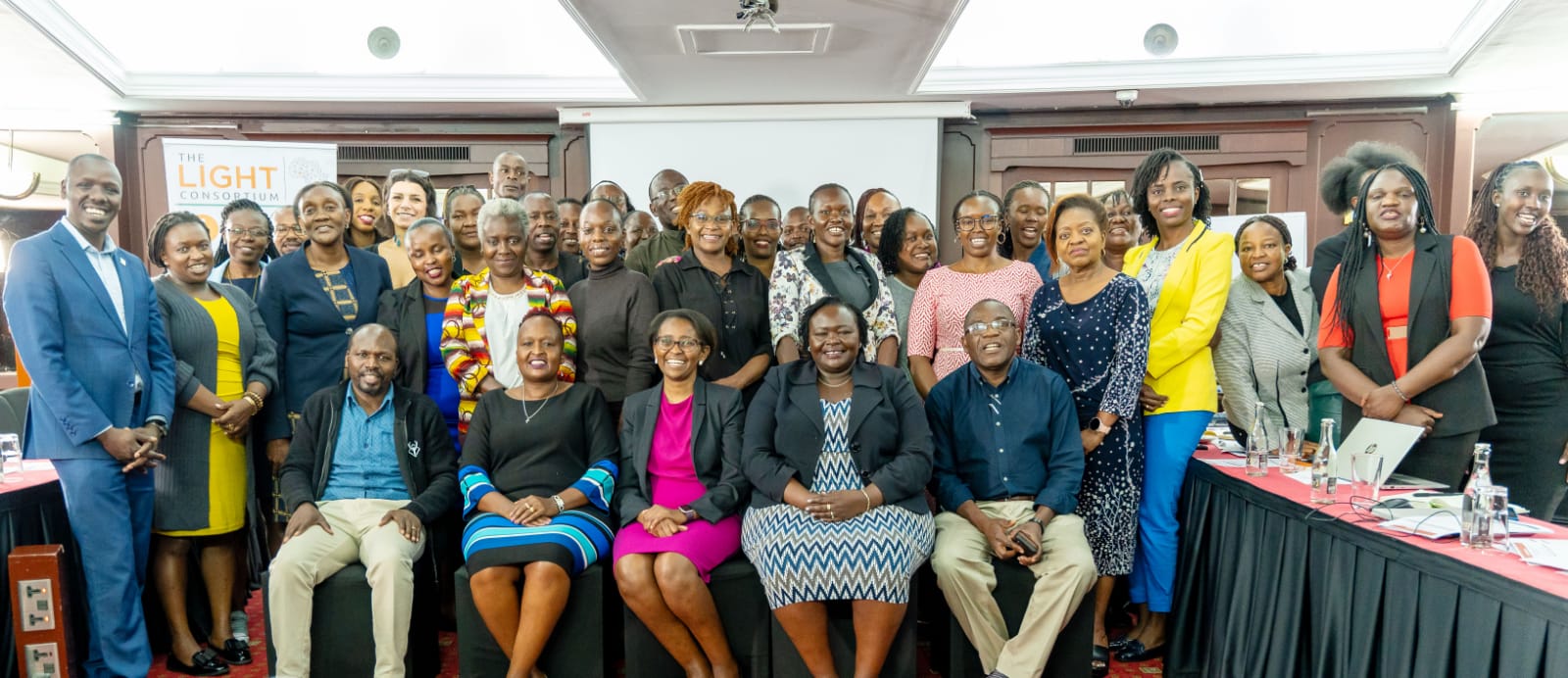
Prof. Jeremiah Chakaya Mulwa, the Executive Director at the Respiratory Society of Kenya (ReSoK) – one of the Leaving No One Behind: Transforming Gendered Pathways to Health for TB (LIGHT) Consortium partner in Kenya, also a pulmonologist and one of Kenya’s first specialists in lung diseases, while speaking at a Nairobi breakfast meeting on person-centered, rights-based, gender-responsive TB care under the LIGHT project underscored the uphill task of ending TB by 2030, in line with the Sustainable Development Goals.
“Tuberculosis is a big problem in Kenya, like it is around the world,” he said. “The shrinking of external financing for TB makes this even more difficult. But it also gives us an opportunity to mobilize domestic resources and take responsibility for our own response.”
Turning to Domestic Financing
For decades, Kenya’s TB response has leaned heavily on external aid. With funding uncertainties, Prof. Chakaya stressed the need for local solutions.
He pointed to universal health coverage (UHC) as a potential game changer.
“If UHC really worked, and people had easy access to health services, then even without external financing, we could still make great progress,” he said.
He also urged exploration of innovative financing models such as debt swaps by redirecting debt repayments into health programs, social impact bonds where private investors fund public health goals, and expanding personal and corporate social responsibility.
“In some countries,” he noted, “individuals and businesses support people with TB to access basics like food, which is often is important during treatments.
Closing Gender Gaps in TB Detection
A central focus of the LIGHT Consortium, a six-year UK-funded research programme led globally by the Liverpool School of Tropical Medicine (LSTM) and implemented by the African Institute of Development Policy (AFIDEP) with the Respiratory Society of Kenya (ReSoK) is addressing gender disparities in TB care.
Research consistently shows that men are disproportionately affected by TB yet are less likely to be diagnosed or seek care early.
Dr Brenda Mungai of AFIDEP also the research uptake lead at LIGHT summarised the research evidence LIGHT has been working on over the past five years.
She shared the interventions from other partner countries which include Uganda, Malawi, Nigeria and Kenya.
In Uganda, LIGHT studies found that opening clinics earlier significantly increased diagnoses among men, who often leave for work before facilities open. In Nigeria, engaging local leaders to reduce stigma and using culturally sensitive messaging improved case detection.
In Kenya, studies spotlighted young people, who often miss diagnosis because health services are not youth-friendly.
“By the time young people reach 17 or 18 years of age, they face risks like alcohol, tobacco and drug use that increase vulnerability to TB. Services must adapt to meet their needs,” Dr. Chakaya explained.
In Nigeria, the studies found out that community engagement including working with local leaders to address stigma and using culturally sensitive messaging significantly improved case finding among men.
Meeting Men Where They Are
Insights from LIGHT studies are already shaping Kenya’s TB strategy. The National TB Program is rolling out workplace screening in male-dominated industries such as construction, auto garages, mining sites, fishing communities, and even sports arenas.
“Sports is a big tool,” Prof. Chakaya said. “If there’s a football match between Rwanda and Kenya, most people in the stadium will be men. We use that platform to screen and raise awareness on TB.”
Another finding: most community health workers are female, which can limit engagement with men. Increasing male representation in the workforce has proven effective in reaching more men for TB screening and treatment.
Beyond Medicine: Tackling Behavioral Barriers
Dr. Chakaya emphasized that TB interventions must address behavioral and social barriers, not just medical ones. Men are overrepresented in high-risk settings like prisons and are often slow to seek care due to stigma and cultural notions of masculinity.
“The most important thing is not to assume that setting up a health service will serve men and women equally,” he cautioned. “You must understand men, understand women, and design interventions that meet their unique needs throughout their life course.”
Nairobi Study: Bridging Policy and Practice
Between February and April 2024, AFIDEP and ReSoK conducted a participatory study in Nairobi County to examine the gap between policy and practice in TB care. Through workshops, healthcare workers shared experiences, identified challenges, and set practical goals.
These dialogues led to county-level forums that united health workers with county and sub-county managers. A follow-up forum allowed stakeholders to reflect on progress, share success stories, and discuss persistent challenges.
“Healthcare workers are at the centre of TB care. Their experiences reveal both the gains we have made and the persistent barriers in ensuring care is respectful, inclusive and responsive to the needs of men, women and vulnerable communities,” said Edel Sakwa of AFIDEP.
Stakeholders agreed on the urgent need to embed gender-responsive approaches in TB care and to ensure no one is left behind in the fight against the disease.
A Steep but Necessary Climb
While progress is evident, Prof. Chakaya warned that the road ahead is long.
“Ending TB will not be a walk in the park,” he said. “But if we combine domestic solutions, gender-responsive approaches, and continued global support, we can move closer to achieving the 2030 target.”