



By Ivyn Kipruto
A newly released national health assessment report has exposed significant, systemic challenges within Kenya’s public health facilities, revealing a persistent gap between policy ambitions and the reality of service delivery.
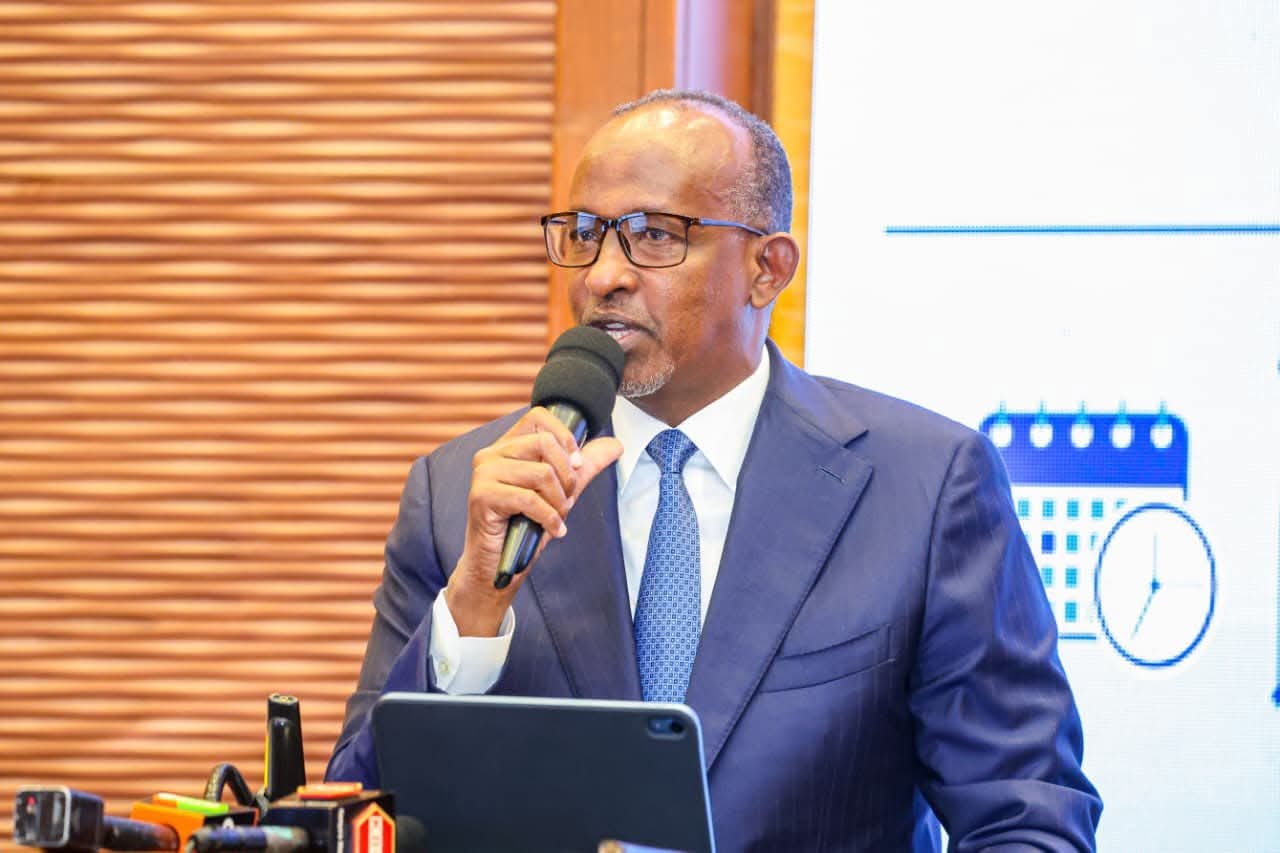
The findings released by health cabinet secretary Aden Duale in Nairobi details frequent stockouts of essential medicines, critical shortages of skilled health workers, and inconsistencies in basic laboratory services, all of which impede the national drive towards quality healthcare and Universal Health Coverage (UHC).
The report highlights an immediate threat to maternal and child health posed by medicine shortages. All 23 essential tracer medicines were found to have experienced stockouts in the week prior to the assessment, with crucial drugs like Magnesium Sulphate (48percent stockout), Benzyl Penicillin (47percent stockout), and Oxytocin injection (40percent stockout)—all necessary for managing maternal and neonatal complications—being the most affected.
Laboratory services are similarly inconsistent, threatening timely diagnosis. The full hemogram test, a basic diagnostic tool, was the least available service at Level 3 and 5 facilities, accessible in only 57percent of them and was the most frequently interrupted service at 39percent.
Compounding the supply and diagnostic issues is a severe human resource crisis. Kenya possesses only 14.3 core health workers per 10,000 population, falling substantially short of the World Health Organization (WHO) target of 23 required to achieve UHC service indices.
Worryingly, only four counties—Kisumu, Mombasa, Nairobi, and Nyeri—met this threshold. Furthermore, the workforce composition is imbalanced, with medical staff accounting for only 65percent of personnel, below the expected 70:30 ratio. Absenteeism remains a major concern at 30percent nationally, with unplanned absences accounting for nearly half of all non-attendance.
Workplace safety also emerged as a critical issue: 17percent of medical staff reported experiencing physical or verbal assault in the past year, and 29percent had been exposed to hazardous materials.
Beyond the personnel and resource challenges, the report identified weaknesses in clinical performance. Documentation was found to be poor, with only 21percent of tuberculosis client files and 31percent of post-partum examination records fully completed. While malaria treatment accuracy was high at 85percent, diagnosis and treatment accuracy rates for other conditions were significantly lower, dropping to just 36percent for birth asphyxia and 40percent for postpartum hemorrhage.
Despite these pervasive issues, client satisfaction with family planning services was high at 97percent, though an ethical concern was raised as 16percent of clients reported feeling coerced into accepting a method.
In response to the findings, the report issues key recommendations, urging increased investment to boost facility readiness, the development of a national human resource strategy for equitable recruitment and retention, and stronger governance to reduce absenteeism and improve access to essential medicines.
The findings ultimately underscore that while Kenya pursues UHC, these critical systemic weaknesses continue to obstruct the delivery of quality, reliable healthcare nationwide.